llama.cpp 安卓平台部署实战:在本地高效运行大语言模型
步骤1:下载代码
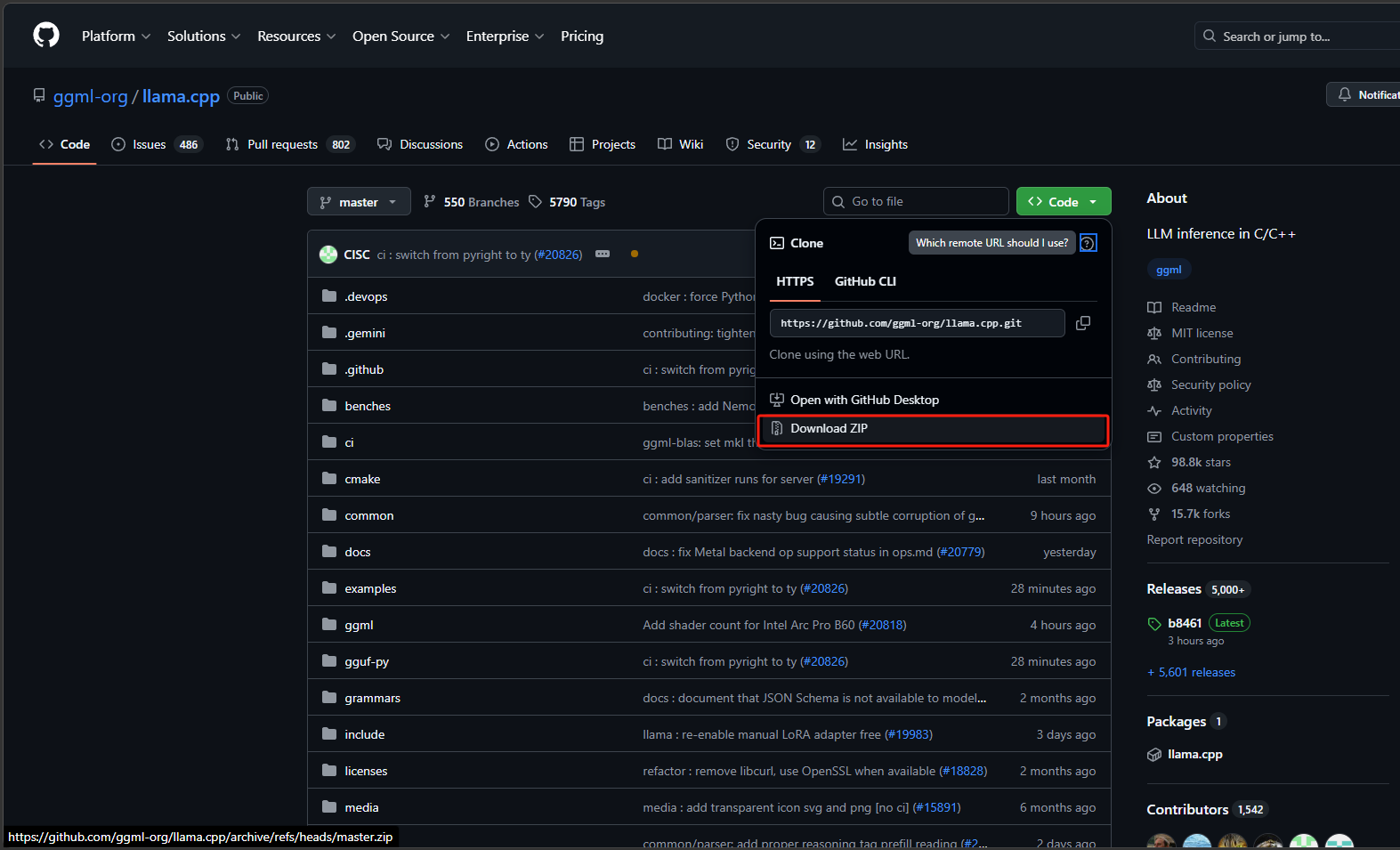
这是项目地址llama.cpp,进入到项目仓库下载代码,也可以通过git拉取代码。
步骤2:打开项目
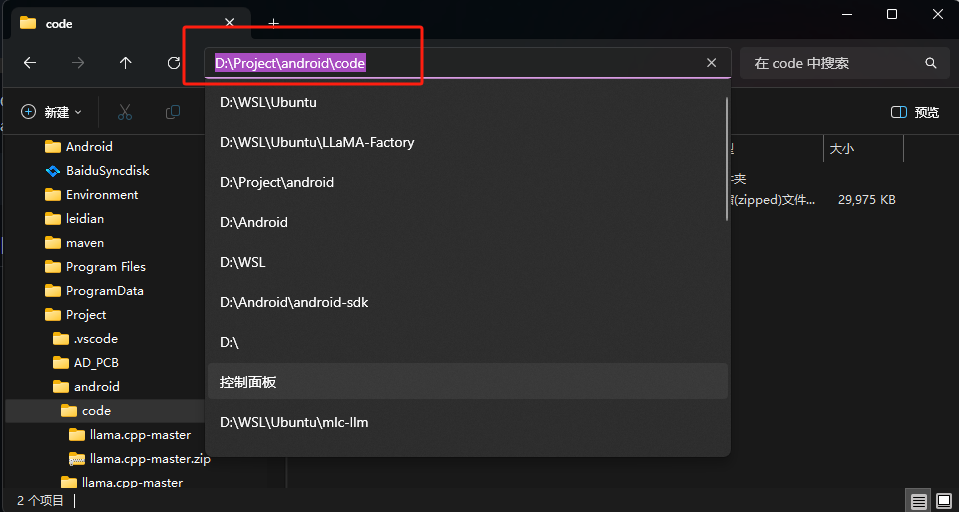
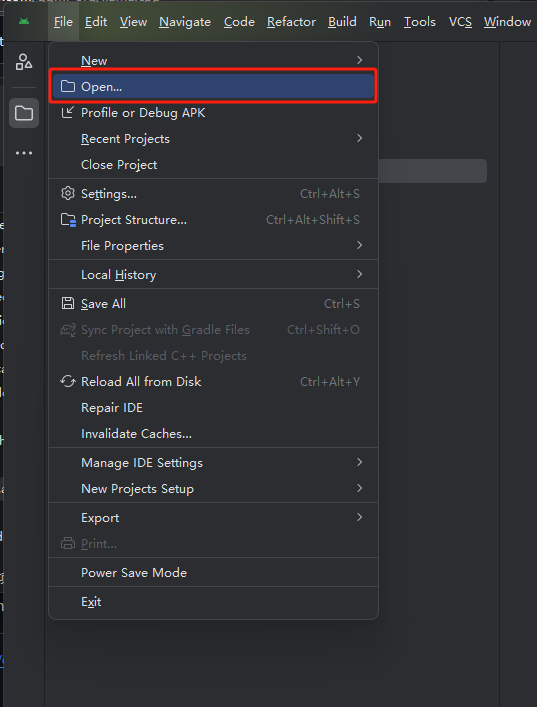
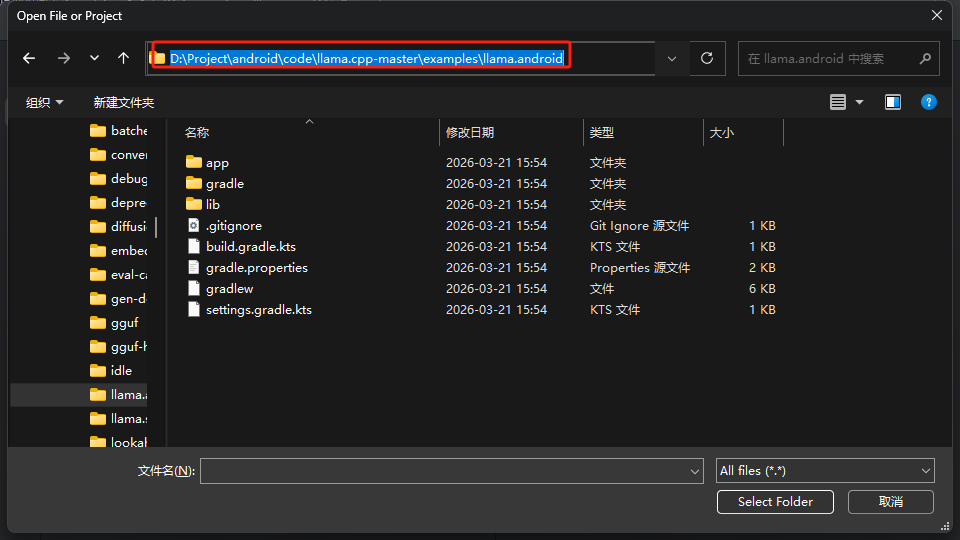
把下载的压缩包进行解压,进入到llama.cpp-master\examples\llama.android路径下,点击搜索栏复制路径。打开android stduio开发工具,点击左上角的菜单选择open打开项目,在搜索栏输入复制的路径点击回车,再点击右下角的 Select Folder。
步骤3:存放模型
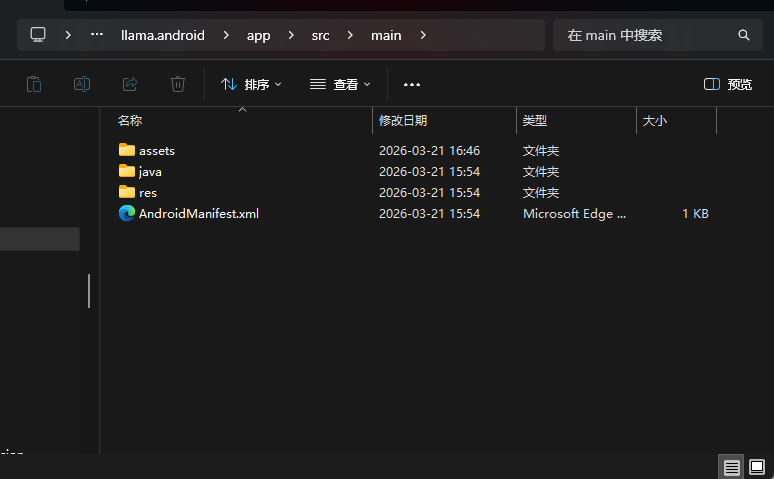
进入到进入到llama.cpp-master\examples\llama.android\app\src\main目录下新建一个目录,名称为:assets这里边存放我们要运行的模型。更多的模型可以去ModelScope中查找,需要的模型格式为gguf。
步骤4:修改MainActivity.kt文件
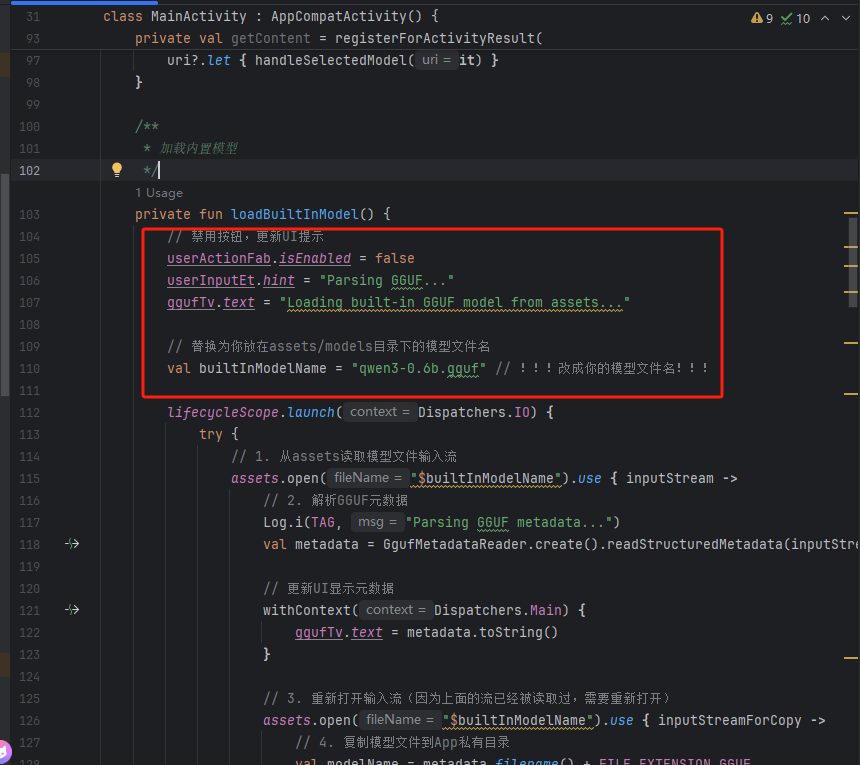
放好我们需要的模型之后需要修改一下MaxinActivity.kt文件。
需要注意的地方只有这部分:
// 替换为你放在assets/models目录下的模型文件名
val builtInModelName = "qwen3-0.6b.gguf" // !!!改成你的模型文件名!!!
package com.example.llama


import android.net.Uri
import android.os.Bundle
import android.util.Log
import android.widget.EditText
import android.widget.TextView
import android.widget.Toast
import androidx.activity.addCallback
import androidx.activity.enableEdgeToEdge
import androidx.activity.result.contract.ActivityResultContracts
import androidx.appcompat.app.AppCompatActivity
import androidx.lifecycle.lifecycleScope
import androidx.recyclerview.widget.LinearLayoutManager
import androidx.recyclerview.widget.RecyclerView
import com.arm.aichat.AiChat
import com.arm.aichat.InferenceEngine
import com.arm.aichat.gguf.GgufMetadata
import com.arm.aichat.gguf.GgufMetadataReader
import com.google.android.material.floatingactionbutton.FloatingActionButton
import kotlinx.coroutines.Dispatchers
import kotlinx.coroutines.Job
import kotlinx.coroutines.flow.onCompletion
import kotlinx.coroutines.launch
import kotlinx.coroutines.withContext
import java.io.File
import java.io.FileOutputStream
import java.io.InputStream
import java.util.UUID


class MainActivity : AppCompatActivity() {


    // Android views
    private lateinit var ggufTv: TextView
    private lateinit var messagesRv: RecyclerView
    private lateinit var userInputEt: EditText
    private lateinit var userActionFab: FloatingActionButton


    // Arm AI Chat inference engine
    private lateinit var engine: InferenceEngine
    private var generationJob: Job? = null


    // Conversation states
    private var isModelReady = false
    private val messages = mutableListOf<Message>()
    private val lastAssistantMsg = StringBuilder()
    private val messageAdapter = MessageAdapter(messages)


    override fun onCreate(savedInstanceState: Bundle?) {
        super.onCreate(savedInstanceState)
        enableEdgeToEdge()
        setContentView(R.layout.activity_main)
        // View model boilerplate and state management is out of this basic sample's scope
        onBackPressedDispatcher.addCallback { Log.w(TAG, "Ignore back press for simplicity") }


        // Find views
        ggufTv = findViewById(R.id.gguf)
        messagesRv = findViewById(R.id.messages)
        messagesRv.layoutManager = LinearLayoutManager(this).apply { stackFromEnd = true }
        messagesRv.adapter = messageAdapter
        userInputEt = findViewById(R.id.user_input)
        userActionFab = findViewById(R.id.fab)


        // Arm AI Chat initialization
        lifecycleScope.launch(Dispatchers.Default) {
            engine = AiChat.getInferenceEngine(applicationContext)
        }


        // !!!新增:Activity创建后自动加载内置模型!!!
        lifecycleScope.launch {
            // 等待引擎初始化完成(可选,防止引擎未初始化就加载模型)
            while (!::engine.isInitialized) {
                kotlinx.coroutines.delay(100)
            }
            loadBuiltInModel() // 自动加载内置模型
        }


        // Upon CTA button tapped
        userActionFab.setOnClickListener {
            if (isModelReady) {
                // If model is ready, validate input and send to engine
                handleUserInput()
            } else {
                Toast.makeText(this, "模型正在加载中,请稍等...", Toast.LENGTH_SHORT).show()


                // Otherwise, prompt user to select a GGUF metadata on the device
                // 原有代码
//                getContent.launch(arrayOf("*/*"))
            }
        }
    }


    private val getContent = registerForActivityResult(
        ActivityResultContracts.OpenDocument()
    ) { uri ->
        Log.i(TAG, "Selected file uri:\n $uri")
        uri?.let { handleSelectedModel(it) }
    }


    /**
     * 加载内置模型
     */
    private fun loadBuiltInModel() {
        // 禁用按钮,更新UI提示
        userActionFab.isEnabled = false
        userInputEt.hint = "Parsing GGUF..."
        ggufTv.text = "Loading built-in GGUF model from assets..."


        // 替换为你放在assets/models目录下的模型文件名
        val builtInModelName = "qwen3-0.6b.gguf" // !!!改成你的模型文件名!!!


        lifecycleScope.launch(Dispatchers.IO) {
            try {
                // 1. 从assets读取模型文件输入流
                assets.open("$builtInModelName").use { inputStream ->
                    // 2. 解析GGUF元数据
                    Log.i(TAG, "Parsing GGUF metadata...")
                    val metadata = GgufMetadataReader.create().readStructuredMetadata(inputStream)


                    // 更新UI显示元数据
                    withContext(Dispatchers.Main) {
                        ggufTv.text = metadata.toString()
                    }


                    // 3. 重新打开输入流(因为上面的流已经被读取过,需要重新打开)
                    assets.open("$builtInModelName").use { inputStreamForCopy ->
                        // 4. 复制模型文件到App私有目录
                        val modelName = metadata.filename() + FILE_EXTENSION_GGUF
                        val modelFile = ensureModelFile(modelName, inputStreamForCopy)


                        // 5. 加载模型
                        loadModel(modelName, modelFile)


                        // 6. 更新状态:模型就绪
                        withContext(Dispatchers.Main) {
                            isModelReady = true
                            userInputEt.hint = "Type and send a message!"
                            userInputEt.isEnabled = true
                            userActionFab.setImageResource(R.drawable.outline_send_24)
                            userActionFab.isEnabled = true
                        }
                    }
                }
            } catch (e: Exception) {
                // 异常处理:加载失败时提示用户
                Log.e(TAG, "Failed to load built-in model", e)
                withContext(Dispatchers.Main) {
                    ggufTv.text = "Load model failed: ${e.message}"
                    userInputEt.hint = "Model load failed!"
                    userActionFab.isEnabled = true
                    Toast.makeText(
                        this@MainActivity,
                        "内置模型加载失败:${e.message}",
                        Toast.LENGTH_LONG
                    ).show()
                }
            }
        }
    }


    /**
     * Handles the file Uri from [getContent] result
     */
    private fun handleSelectedModel(uri: Uri) {
        // Update UI states
        userActionFab.isEnabled = false
        userInputEt.hint = "Parsing GGUF..."
        ggufTv.text = "Parsing metadata from selected file \n$uri"


        lifecycleScope.launch(Dispatchers.IO) {
            // Parse GGUF metadata
            Log.i(TAG, "Parsing GGUF metadata...")
            contentResolver.openInputStream(uri)?.use {
                GgufMetadataReader.create().readStructuredMetadata(it)
            }?.let { metadata ->
                // Update UI to show GGUF metadata to user
                Log.i(TAG, "GGUF parsed: \n$metadata")
                withContext(Dispatchers.Main) {
                    ggufTv.text = metadata.toString()
                }


                // Ensure the model file is available
                val modelName = metadata.filename() + FILE_EXTENSION_GGUF
                contentResolver.openInputStream(uri)?.use { input ->
                    ensureModelFile(modelName, input)
                }?.let { modelFile ->
                    loadModel(modelName, modelFile)


                    withContext(Dispatchers.Main) {
                        isModelReady = true
                        userInputEt.hint = "Type and send a message!"
                        userInputEt.isEnabled = true
                        userActionFab.setImageResource(R.drawable.outline_send_24)
                        userActionFab.isEnabled = true
                    }
                }
            }
        }
    }


    /**
     * Prepare the model file within app's private storage
     */
    private suspend fun ensureModelFile(modelName: String, input: InputStream) =
        withContext(Dispatchers.IO) {
            File(ensureModelsDirectory(), modelName).also { file ->
                // Copy the file into local storage if not yet done
                if (!file.exists()) {
                    Log.i(TAG, "Start copying file to $modelName")
                    withContext(Dispatchers.Main) {
                        userInputEt.hint = "Copying file..."
                    }


                    FileOutputStream(file).use { input.copyTo(it) }
                    Log.i(TAG, "Finished copying file to $modelName")
                } else {
                    Log.i(TAG, "File already exists $modelName")
                }
            }
        }


    /**
     * Load the model file from the app private storage
     */
    private suspend fun loadModel(modelName: String, modelFile: File) =
        withContext(Dispatchers.IO) {
            Log.i(TAG, "Loading model $modelName")
            withContext(Dispatchers.Main) {
                userInputEt.hint = "Loading model..."
            }
            engine.loadModel(modelFile.path)
        }


    /**
     * Validate and send the user message into [InferenceEngine]
     */
    private fun handleUserInput() {
        userInputEt.text.toString().also { userMsg ->
            if (userMsg.isEmpty()) {
                Toast.makeText(this, "Input message is empty!", Toast.LENGTH_SHORT).show()
            } else {
                userInputEt.text = null
                userInputEt.isEnabled = false
                userActionFab.isEnabled = false


                // Update message states
                messages.add(Message(UUID.randomUUID().toString(), userMsg, true))
                lastAssistantMsg.clear()
                messages.add(Message(UUID.randomUUID().toString(), lastAssistantMsg.toString(), false))


                generationJob = lifecycleScope.launch(Dispatchers.Default) {
                    engine.sendUserPrompt(userMsg)
                        .onCompletion {


                            withContext(Dispatchers.Main) {
                                userInputEt.isEnabled = true
                                userActionFab.isEnabled = true
                            }
                        }.collect { token ->
                            withContext(Dispatchers.Main) {
                                val messageCount = messages.size
                                check(messageCount > 0 && !messages[messageCount - 1].isUser)


                                messages.removeAt(messageCount - 1).copy(
                                    content = lastAssistantMsg.append(token).toString()
                                ).let { messages.add(it) }


                                messageAdapter.notifyItemChanged(messages.size - 1)
                            }
                        }
                }
            }
        }
    }
    /**
     * Run a benchmark with the model file
     */
    @Deprecated("This benchmark doesn't accurately indicate GUI performance expected by app developers")
    private suspend fun runBenchmark(modelName: String, modelFile: File) =
        withContext(Dispatchers.Default) {
            Log.i(TAG, "Starts benchmarking $modelName")
            withContext(Dispatchers.Main) {
                userInputEt.hint = "Running benchmark..."
            }
            engine.bench(
                pp = BENCH_PROMPT_PROCESSING_TOKENS,
                tg = BENCH_TOKEN_GENERATION_TOKENS,
                pl = BENCH_SEQUENCE,
                nr = BENCH_REPETITION
            ).let { result ->
                messages.add(Message(UUID.randomUUID().toString(), result, false))
                withContext(Dispatchers.Main) {
                    messageAdapter.notifyItemChanged(messages.size - 1)
                }
            }
        }


    /**
     * Create the `models` directory if not exist.
     */
    private fun ensureModelsDirectory() =
        File(filesDir, DIRECTORY_MODELS).also {
            if (it.exists() && !it.isDirectory) {
                it.delete()
            }
            if (!it.exists()) {
                it.mkdir()
            }
        }


    override fun onStop() {
        generationJob?.cancel()
        super.onStop()
    }


    override fun onDestroy() {
        engine.destroy()
        super.onDestroy()
    }


    companion object {
        private val TAG = MainActivity::class.java.simpleName


        private const val DIRECTORY_MODELS = "models"
        private const val FILE_EXTENSION_GGUF = ".gguf"


        private const val BENCH_PROMPT_PROCESSING_TOKENS = 512
        private const val BENCH_TOKEN_GENERATION_TOKENS = 128
        private const val BENCH_SEQUENCE = 1
        private const val BENCH_REPETITION = 3
    }
}


fun GgufMetadata.filename() = when {
    basic.name != null -> {
        basic.name?.let { name ->
            basic.sizeLabel?.let { size ->
                "$name-$size"
            } ?: name
        }
    }


    architecture?.architecture != null -> {
        architecture?.architecture?.let { arch ->
            basic.uuid?.let { uuid ->
                "$arch-$uuid"
            } ?: "$arch-${System.currentTimeMillis()}"
        }
    }


    else -> {
        "model-${System.currentTimeMillis().toHexString()}"
    }
}
步骤5:创建设备
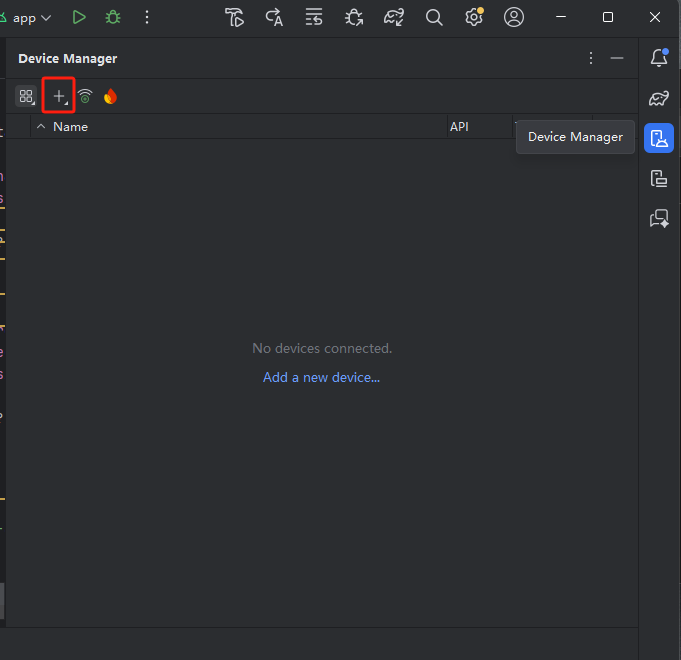
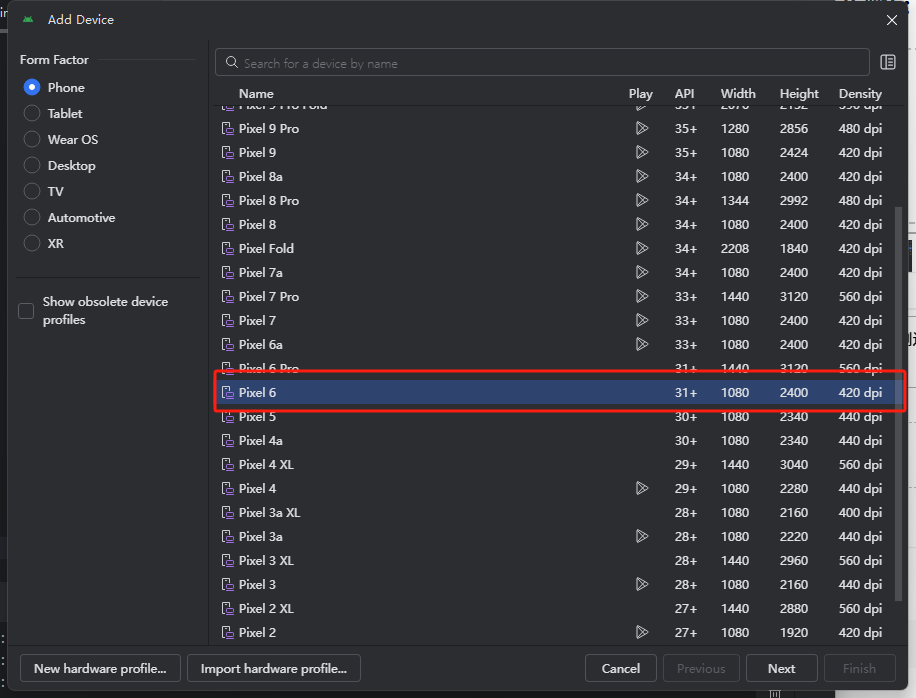
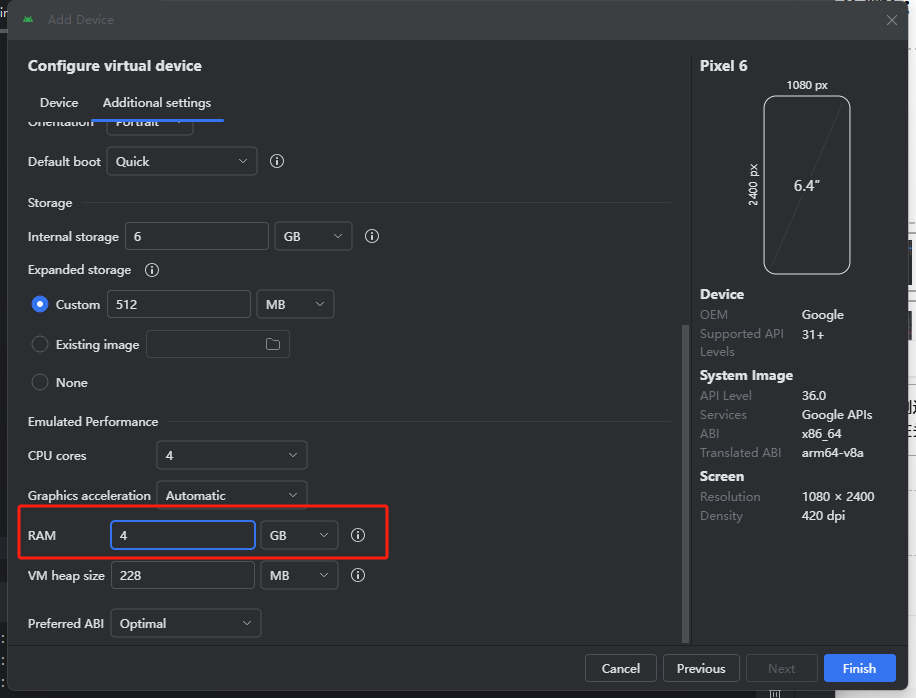
在右侧边栏中找到Device Manager(设备管理)创建新的设备,点击加号选择create Virtual device创建设备,在头部搜索“Pixel6”选中点击“next”,切换到Additional settings选项卡,找到RAM参数设置,设置为4G,然后点击finish完成。
步骤6:修复报错
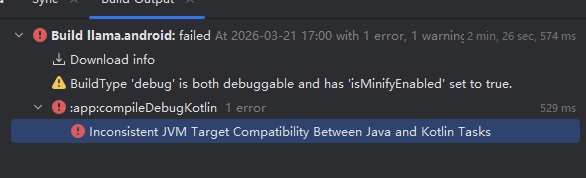
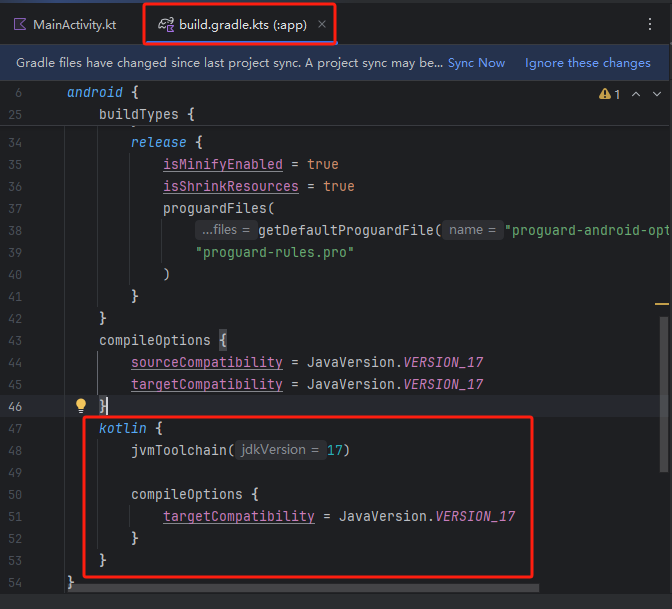
修改完成之后右上角有一个SyncNow重新加载文件。在build.gradle.kts(:app)下的buildTypes中添加以下内容:
kotlin {
jvmToolchain(17)
compileOptions {
targetCompatibility = JavaVersion.VERSION_17
}
}
步骤7:运行项目
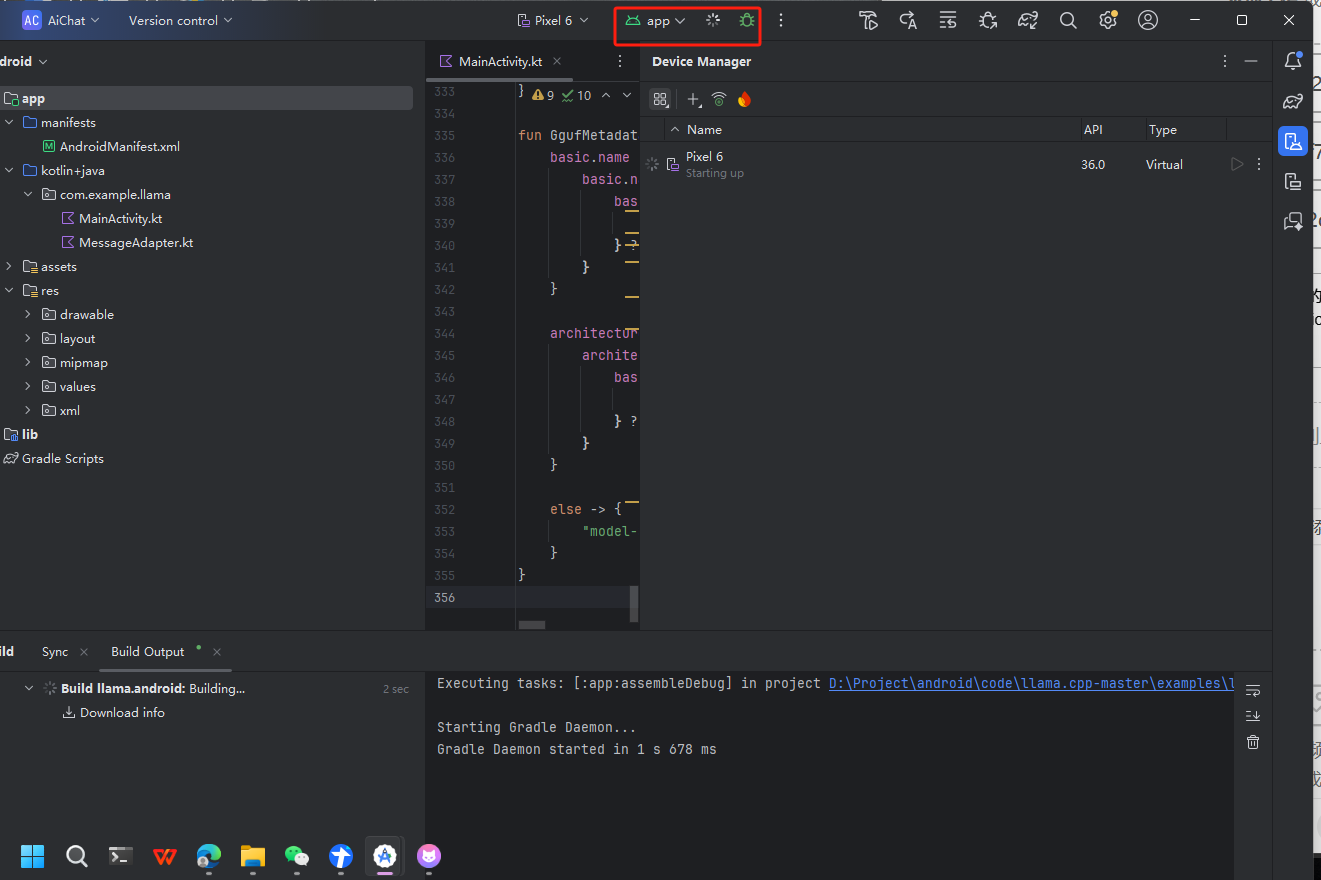
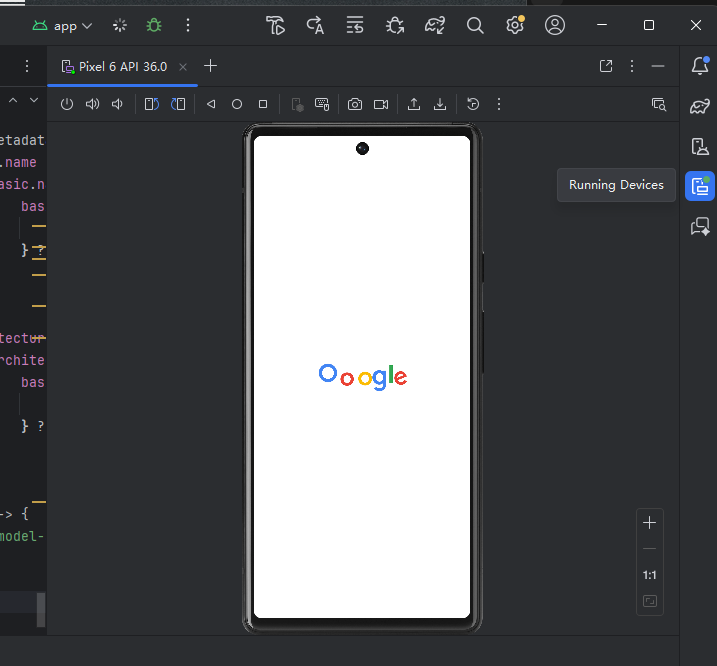
点击运行按钮开始启动项目,需要一些时间加载。在右侧工具栏中选择“Running device”可以看到设备的运行页面。
llama.cpp 安卓平台部署实战:在本地高效运行大语言模型-DOIT社区 https://www.doitwiki.com/article/details/181665938949120

AtomGit 是由开放原子开源基金会联合 CSDN 等生态伙伴共同推出的新一代开源与人工智能协作平台。平台坚持“开放、中立、公益”的理念,把代码托管、模型共享、数据集托管、智能体开发体验和算力服务整合在一起,为开发者提供从开发、训练到部署的一站式体验。
更多推荐

 0
0 0
0- 0


 已为社区贡献2条内容

所有评论(0)