阿里 AGenUI 开源库前后端实战教程 —— Day 7 附录:鸿蒙多轮对话修复坑点实录
在实现多轮对话功能时,连续发送消息的流式交互场景暴露了一系列隐蔽的时序与状态管理问题。本文记录修复过程中的 4 个关键坑点,涉及闭包捕获、数组响应式更新、Surface 生命周期与消息定位逻辑。
坑点 1:闭包捕获问题
现象
连续发送两次请求,第一次的流式消息被错误地更新到第二次消息上。
根因分析
onMessage 回调是异步注册的,回调执行时读取的是 this.currentReplyId 的当前值而非注册时的快照值。
时间线:
T0: 发送第一条消息,currentReplyId = 1
T1: 注册 onMessage 回调(闭包引用 this.currentReplyId)
T2: 发送第二条消息,currentReplyId = 3(覆盖!)
T3: 第一条消息的 SSE 数据到达,回调执行
    → 读取 this.currentReplyId = 3(错误!应该是 1)
    → 数据被追加到第二条消息
// ❌ 错误:闭包捕获的是变量引用,不是值
this.sseClient.onMessage((data: string) => {
  const msgIndex = this.messages.findIndex(m => m.id === this.currentReplyId);
  // currentReplyId 已被后续请求覆盖!
});
修复方案
在回调注册前用局部变量捕获当前值:
// ✅ 正确:const 捕获当前值的快照
const capturedReplyId = this.currentReplyId;  // 注册时冻结值

this.sseClient.onMessage((data: string) => {
  const msgIndex = this.messages.findIndex(m => m.id === capturedReplyId);
  // 始终指向正确的消息,不受后续请求影响
});
核心教训:异步回调中使用
this.xxx状态变量时,务必确认是否需要捕获注册时的快照值。时序竞争是流式交互的隐形杀手。
坑点 2:@State 数组响应式更新问题
现象
使用 push() 添加消息后,UI 没有刷新,消息列表不显示新内容。
根因分析
ArkUI 的 @State 装饰器对数组的追踪基于引用变化,而非内部方法调用。
// ❌ 错误:push() 修改原数组,引用不变,ArkUI 不触发刷新
this.messages.push(userMessage);   // 引用相同 → 无响应
ArkUI 的状态系统通过 Proxy 拦截对象操作,但 push() 等方法修改的是原数组的内存内容,数组引用本身未变,导致依赖收集系统无法感知变化。
修复方案
创建新数组并赋值,触发引用变化:
// ✅ 正确:展开运算符创建新数组,引用变化触发刷新
this.messages = [...this.messages, userMessage, replyMessage];

// 或
const newMessages = [...this.messages];
newMessages.push(userMessage);
this.messages = newMessages;  // 新引用 → 触发刷新
核心教训:ArkUI 中
@State数组的更新必须遵循不可变数据原则。所有修改操作都要产生新引用,直接调用push()/splice()等方法不会触发 UI 刷新。
坑点 3:Surface 删除逻辑问题
现象
第二次请求时删除了第一次的 Surface,导致第一条消息的 AGenUI 内容丢失,显示空白。
根因分析
代码中在创建新 Surface 前主动 deleteSurface 旧 Surface,但每条消息的 Surface 应该是独立生命周期的:
// ❌ 错误:全局只有一个 activeSurfaceId,新请求删除旧 Surface
if (this.activeSurfaceId) {
  const deleteJson = `{"deleteSurface":{"surfaceId":"${this.activeSurfaceId}"}}`;
  this.surfaceManager.receiveTextChunk(deleteJson);  // 删除了第一条消息的 Surface!
}
this.activeSurfaceId = newSurfaceId;  // 覆盖引用
多轮对话中,历史消息的 Surface 需要保留以供用户回看,不应被后续请求销毁。
修复方案
移除全局 activeSurfaceId 的删除逻辑,让各条消息的 Surface 共存:
// ✅ 正确:每条消息独立管理自己的 Surface,不主动删除历史
// 仅在消息被清空或页面销毁时统一清理

// 发送新消息时,只创建新 Surface,不删除旧的
const createJson = `{"createSurface":{"surfaceId":"${surfaceId}"...}}`;
this.surfaceManager.receiveTextChunk(createJson);
this.surfaceManager.receiveTextChunk(data);  // 推送 updateComponents

// Surface 生命周期绑定到消息对象,而非全局状态
若需控制内存,可在消息列表超过阈值时惰性清理:
// 可选:消息数超过 50 条时,清理最早的 Surface
if (this.messages.length > 50) {
  const oldest = this.messages[0];
  if (oldest.surfaceId) {
    this.deleteSurface(oldest.surfaceId);
    oldest.surfaceId = '';  // 标记已清理,UI 降级为纯文本
  }
}
核心教训:多实例场景下避免使用全局单例状态管理资源生命周期。每条消息应有独立的 Surface ID,历史 Surface 按需保留或惰性清理。
坑点 4:消息定位回退逻辑问题
现象
currentReplyId 被 finishStreaming() 清空后,updateMessageSurfaceId 的回退逻辑可能匹配到历史消息,导致 Surface 绑定错误。
根因分析
finishStreaming() 同步执行后 currentReplyId = null,但 onCreateSurface 异步回调可能在此之后触发。回退逻辑使用 findIndex 查找第一个无 surfaceId 的 RECEIVED 消息:
// ❌ 错误:回退逻辑可能匹配到历史未绑定消息
updateMessageSurfaceId(surfaceId: string): void {
  // currentReplyId 已被清空,进入回退分支
  const msgIndex = this.messages.findIndex(
    m => m.type === MessageType.RECEIVED && !m.surfaceId  // 可能匹配历史消息!
  );
  // 历史消息的占位回复也可能 surfaceId 为空
}
多轮对话中,若某条历史消息因网络错误未成功绑定 Surface,其 surfaceId 为空,会被错误匹配。
修复方案
优先使用 currentReplyId 精确定位,仅在找不到时才回退,且回退增加时间窗口限制:
updateMessageSurfaceId(surfaceId: string): void {
  // ✅ 优先:使用闭包捕获的 replyId 精确定位
  if (this.capturedReplyId !== null) {
    const msgIndex = this.messages.findIndex(m => m.id === this.capturedReplyId);
    if (msgIndex !== -1) {
      this.bindSurfaceToMessage(msgIndex, surfaceId);
      return;
    }
  }

  // ✅ 回退:仅查找最近 3 条未绑定的 RECEIVED 消息,避免匹配历史
  const recentMessages = this.messages.slice(-3);
  const msgIndex = recentMessages.findIndex(
    m => m.type === MessageType.RECEIVED && !m.surfaceId
  );

  if (msgIndex !== -1) {
    const actualIndex = this.messages.length - 3 + msgIndex;
    this.bindSurfaceToMessage(actualIndex, surfaceId);
  }
}
更完善的方案:消息对象自身携带 pendingSurface 标记:
interface ChatMessage {
  id: number;
  content: string;
  type: MessageType;
  surfaceId?: string;
  pendingSurface: boolean;  // 标记正在等待 Surface 创建
}

// 创建占位消息时标记
const replyMsg: ChatMessage = {
  ...
  pendingSurface: true  // 等待绑定
};

// 绑定后清除标记
updateMessageSurfaceId(surfaceId: string): void {
  const msgIndex = this.messages.findIndex(
    m => m.pendingSurface  // 精确匹配等待中的消息
  );
  if (msgIndex !== -1) {
    this.messages[msgIndex] = {
      ...this.messages[msgIndex],
      surfaceId,
      pendingSurface: false
    };
  }
}
核心教训:回退逻辑(fallback)必须设置边界条件,避免无限回溯。优先精确匹配,回退时限制搜索范围或增加状态标记,防止历史数据污染。
四坑关联时序图
第一次请求                    第二次请求
    │                            │
    ▼                            ▼
创建消息(id=1)              创建消息(id=3)
currentReplyId=1 ──────┐    currentReplyId=3 ──────┐
                       │                            │
注册 onMessage(闭包) ──┘    注册 onMessage(闭包) ──┘
                       │                            │
                       └──────┬─────────────────────┘
                              │
                    ┌─────────┘
                    ▼
            坑点1:两个回调共享 this.currentReplyId
                    │
                    ▼
            第一次的 SSE 数据到达
            回调读取 currentReplyId=3(已被覆盖!)
                    │
                    ▼
            坑点2:push() 不触发刷新(若用旧代码)
                    │
                    ▼
            坑点3:deleteSurface 删除 id=1 的 Surface
                    │
                    ▼
            finishStreaming() 清空 currentReplyId
                    │
                    ▼
            onCreateSurface 回调触发(id=1 的 Surface)
                    │
                    ▼
            坑点4:findIndex 可能匹配到历史消息
修复后的完整时序
第一次请求                    第二次请求
    │                            │
    ▼                            ▼
const replyId1 = ++id         const replyId2 = ++id
capturedReplyId1 = replyId1   capturedReplyId2 = replyId2
    │                            │
    ▼                            ▼
注册 onMessage(captured1)   注册 onMessage(captured2)
    │                            │
    ▼                            ▼
SSE 数据到达 ──────────────► 回调使用 captured1(冻结值)
    │                            │
    ▼                            ▼
messages = [...messages, msg]  messages = [...messages, msg]
(新引用触发刷新)           (新引用触发刷新)
    │                            │
    ▼                            ▼
createSurface(newId1)         createSurface(newId2)
(不删除旧 Surface)          (不删除旧 Surface)
    │                            │
    ▼                            ▼
onCreateSurface ───────────► updateMessageSurfaceId
pendingSurface=true 精确匹配   pendingSurface=true 精确匹配
经验总结
| 坑点 | 技术层面 | 核心教训 |
|---|---|---|
| 闭包捕获 | JavaScript 闭包 | 异步回调中使用状态变量时,确认是否需要捕获快照值 |
| 数组响应式 | ArkUI @State | @State 数组遵循不可变原则,push() 不触发刷新 |
| Surface 生命周期 | AGenUI 架构 | 多实例场景避免全局单例,资源生命周期绑定到具体对象 |
| 消息定位 | 回退逻辑设计 | 回退必须设边界,优先精确匹配,限制搜索范围或加状态标记 |
多轮对话最佳实践
- 消息 ID 自增:使用全局递增 ID,确保唯一性
- 闭包捕获:注册回调前用
const冻结当前上下文 - 不可变更新:所有
@State数组操作使用展开运算符 - 独立 Surface:每条消息的 Surface 独立管理,不主动删除历史
- 精确匹配:使用
pendingSurface等状态标记替代模糊查找 - 惰性清理:列表超过阈值时,仅清理最早的 Surface 释放内存
修复效果: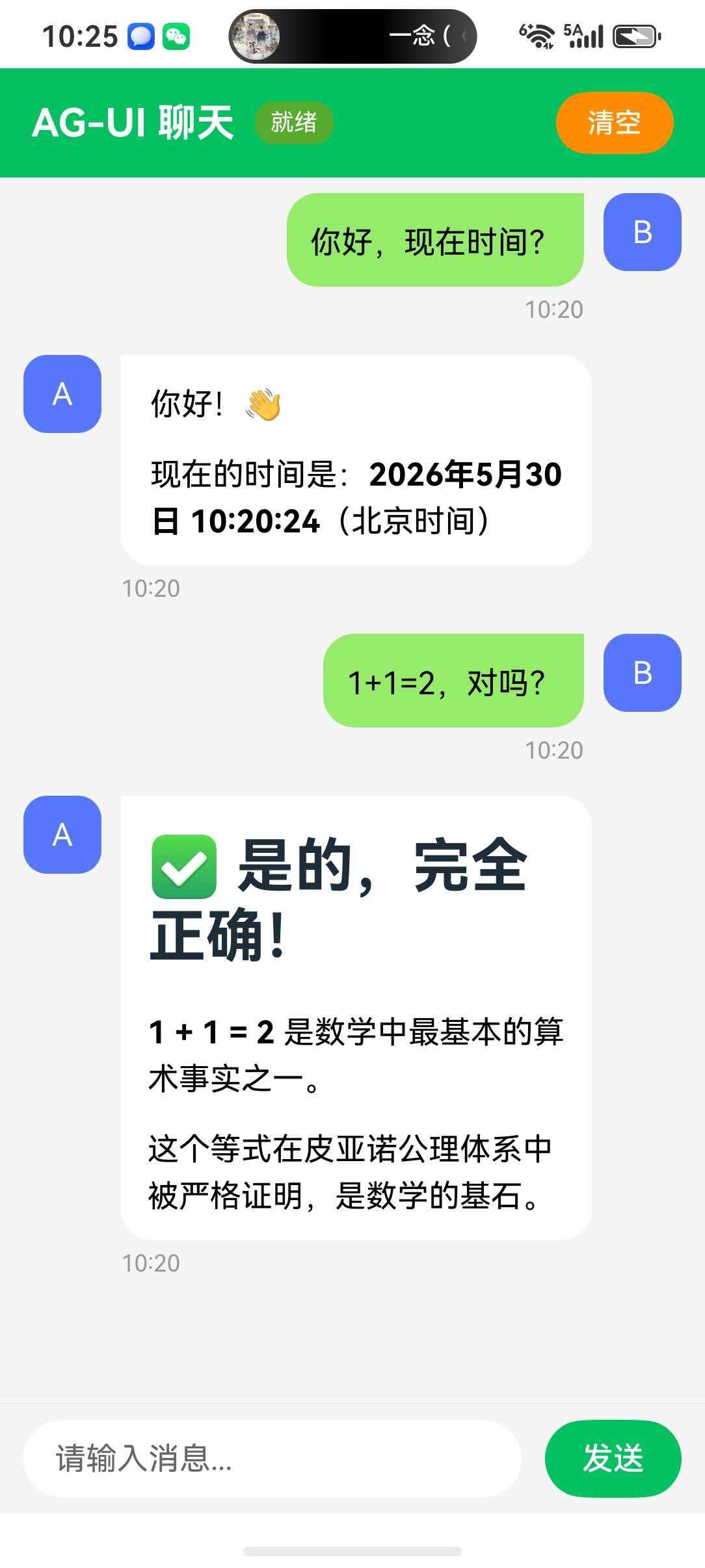
多轮对话是流式 AI 应用的核心场景,时序竞争与状态管理问题在此场景下会被放大。建议开发时画出完整的时序图,标注所有异步边界,提前识别潜在的竞态条件。

AtomGit 是由开放原子开源基金会联合 CSDN 等生态伙伴共同推出的新一代开源与人工智能协作平台。平台坚持“开放、中立、公益”的理念,把代码托管、模型共享、数据集托管、智能体开发体验和算力服务整合在一起,为开发者提供从开发、训练到部署的一站式体验。
更多推荐
 2
2 0
0- 0


 已为社区贡献6条内容

所有评论(0)