DeepSeek 两次降价打到 2 分钱、Kimi 再融 140 亿:2026 中国大模型没有终局,只有下一轮
爆款标题备选
- DeepSeek 百万 token 2 分钱,我试了一下,中国大模型价格战已经没底线了
- Kimi 再融 140 亿、DeepSeek 估值 3000 亿:2026 最疯狂的 AI 牌桌
- 两分钱 100 万 token——DeepSeek 把大模型做成了自来水,然后呢?
- 当 DeepSeek 比一瓶矿泉水还便宜,AI 应用的账该怎么算
- 2026 中国大模型淘汰赛:价格战 + Agent 战,谁在裸泳?
开头钩子
两周前,DeepSeek 干了一件所有人都预料到、但发生时还是倒吸一口凉气的事。
降价。再降价。
第一次降到输入 0.5 分/百万 token。第二次直接打到 0.2 分。你没看错——一百万 token 两分钱。一百万 token 什么概念?一本《三体》三部曲放在一起,大概 100 万汉字 ≈ 150 万 token。
翻译成人话:让 AI 读完整个《三体》三部曲,成本不到一块钱。
而就在 DeepSeek 降价的同一周,Kimi(月之暗面)传出即将完成 20 亿美元新融资,估值破 200 亿美元。DeepSeek 自己的估值也传闻到了 3000 亿人民币。
一边是价格跌到地板上,一边是估值冲上外太空。
这事值得认真拆一拆。
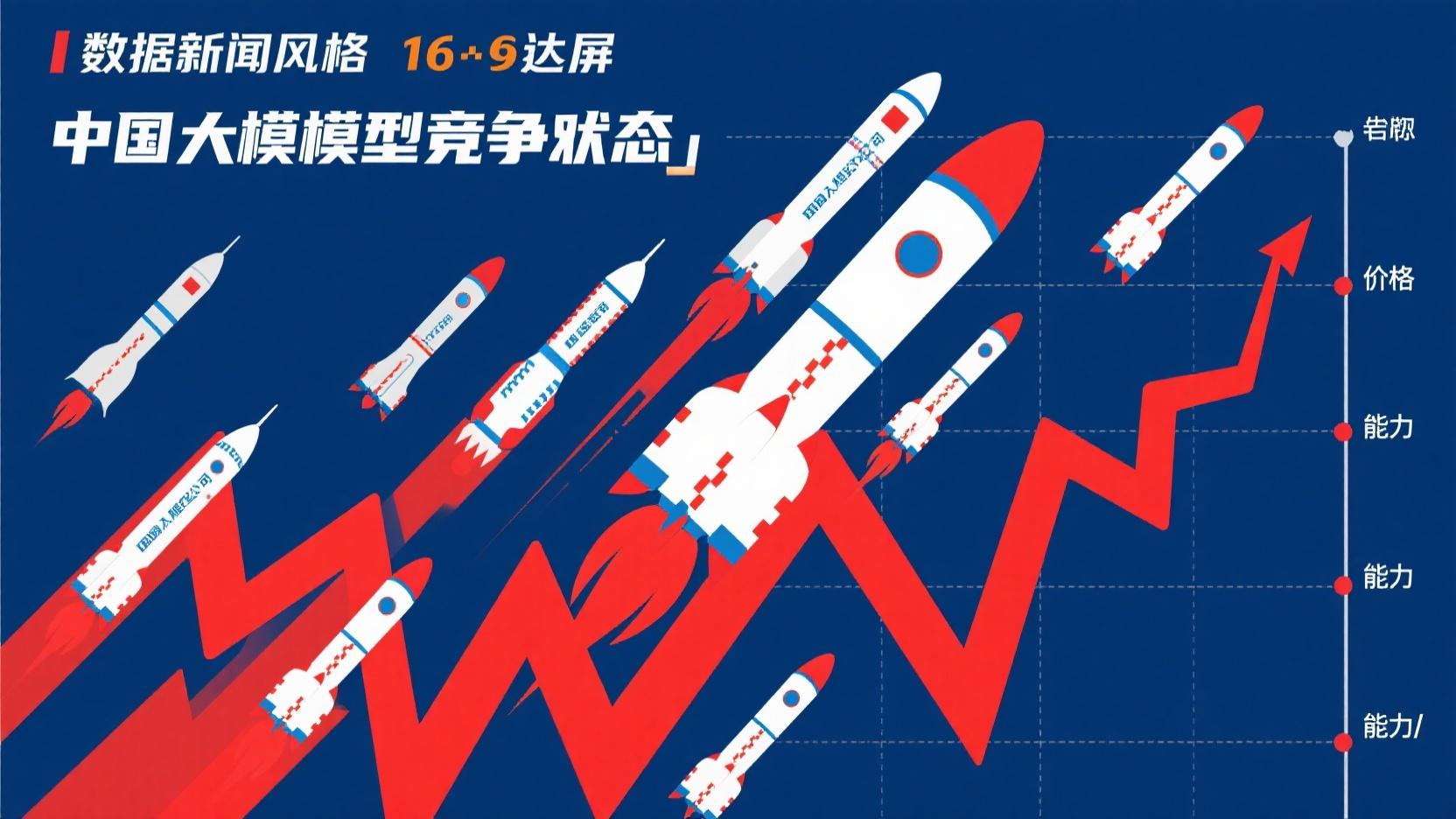
价格战打到什么程度了
先看一张表,2024-2026 年国产大模型 API 价格走势。
# 国产大模型 API 价格时间线(单位:元/百万 token)
price_timeline = {
    "2024-05": {
        "GPT-4o":        {"input": 36,  "output": 108},
        "Claude 3 Opus": {"input": 108, "output": 216},
        "DeepSeek V2":   {"input": 1,   "output": 2},
        "GLM-4":         {"input": 50,  "output": 50},
        "Qwen-Max":      {"input": 20,  "output": 60},
    },
    "2024-12": {
        "DeepSeek V3":   {"input": 1,   "output": 2},
        "Qwen2.5-Max":   {"input": 3,   "output": 12},
        "Kimi K1.5":     {"input": 0,   "output": 0, "note": "未公开API定价"},
    },
    "2025-06": {
        "DeepSeek V3.1": {"input": 0.5, "output": 2},
        "Qwen3-Max":     {"input": 2,   "output": 8},
        "GLM-5":         {"input": 1,   "output": 5},
        "Kimi K2":       {"input": 2,   "output": 8},
    },
    "2026-05": {
        "DeepSeek V4":   {"input": 0.02, "output": 0.08},  # 两分钱
        "Kimi K2.5":     {"input": 1,    "output": 4},
        "Qwen4-Max":     {"input": 2,    "output": 8},
        "GLM-6":         {"input": 0.5,  "output": 2},
    },
}
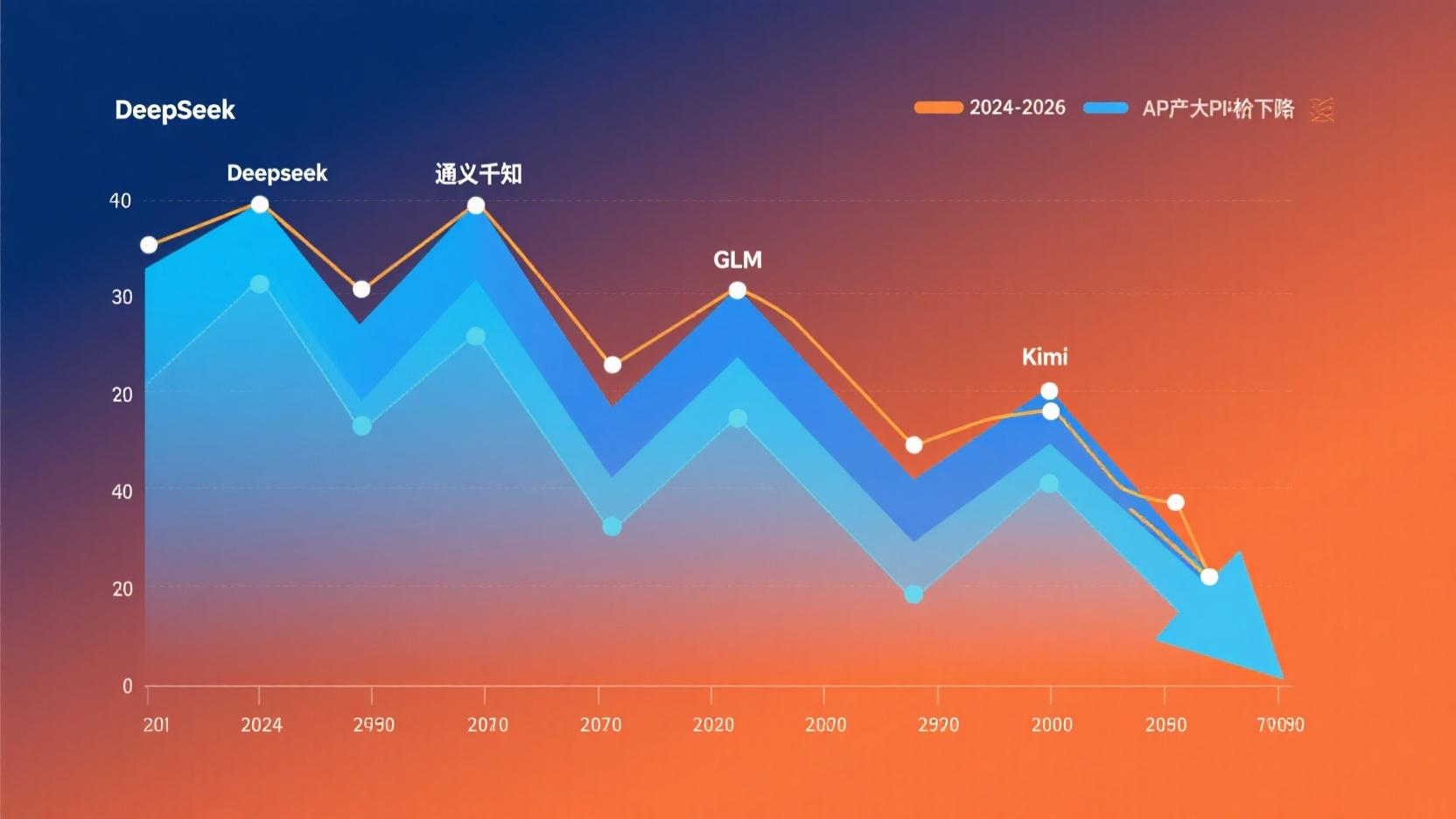
从 2024 年 5 月到 2026 年 5 月,两年时间,国产大模型 API 的输入价格降了 1000-1800 倍。
DeepSeek 输出价格 0.08 元/百万 token,GPT-4o 2024 年 5 月输出价格 108 元/百万 token。
1350 倍。
这个降幅在人类科技史上大概只有两样东西经历过:存储和带宽。现在轮到智能了。
DeepSeek V4 API 实战
价格降了,质量呢?直接上代码测试。
# DeepSeek V4 API 基础调用
from openai import OpenAI

client = OpenAI(
    api_key="sk-your-deepseek-key",
    base_url="https://api.deepseek.com/v1"
)

# 测试 1:代码生成
response = client.chat.completions.create(
    model="deepseek-chat",  # DeepSeek V4
    messages=[
        {"role": "system", "content": "你是一个 Go 后端专家"},
        {"role": "user", "content": """
        用 Go 实现一个支持以下特性的 HTTP 中间件链:
        1. 请求限流(滑动窗口算法,Redis 后端)
        2. 熔断器(连续 5 次失败开启,30s 后半开探测)
        3. 请求日志(结构化日志,含 trace_id)
        要求:标准库 + redis/go-redis,不引入第三方中间件框架
        """}
    ],
    temperature=0.1,
    max_tokens=4096,
)

print(f"Token 消耗: {response.usage.total_tokens}")
print(f"费用: {response.usage.total_tokens * 0.02 / 1000000:.4f} 元")
print(response.choices[0].message.content)
这个请求消耗约 3500 token,费用大约 0.00007 元。七分钱的一万分之一。
测试 2:多轮 Agent 对话成本
# 模拟一个 Agent 执行 10 轮推理的成本
import json

def simulate_agent_task(model: str, base_url: str, api_key: str):
    """模拟 Agent 多轮任务并计算成本"""
    client = OpenAI(api_key=api_key, base_url=base_url)

    task_prompt = """
    你是一个运维 Agent。请诊断以下故障,每轮输出一个诊断步骤。
    故障:生产环境 API 响应时间从 50ms 飙升到 3s。
    每轮输出 JSON: {"step": N, "action": "...", "finding": "..."}
    当你认为可以给出结论时,输出 {"done": true, "root_cause": "..."}
    """

    messages = [{"role": "user", "content": task_prompt}]
    total_tokens = 0
    rounds = 0

    for _ in range(10):
        response = client.chat.completions.create(
            model=model,
            messages=messages,
            response_format={"type": "json_object"},
            temperature=0.1,
            max_tokens=1024,
        )

        total_tokens += response.usage.total_tokens
        rounds += 1

        result = json.loads(response.choices[0].message.content)
        if result.get("done"):
            break

        messages.append({"role": "assistant", "content": json.dumps(result)})
        messages.append({"role": "user", "content": "继续诊断,下一步是什么?"})

    return {
        "model": model,
        "rounds": rounds,
        "total_tokens": total_tokens,
        "cost_per_1M_input": 0.02,  # DeepSeek V4
        "estimated_cost": total_tokens * 0.02 / 1_000_000,
    }

result = simulate_agent_task(
    model="deepseek-chat",
    base_url="https://api.deepseek.com/v1",
    api_key="sk-xxx"
)

print(f"Agent 诊断完成: {result['rounds']} 轮, "
      f"{result['total_tokens']} token, "
      f"总费用: ¥{result['estimated_cost']:.6f}")
10 轮 Agent 诊断,总费用不到 一分钱。
这才是 DeepSeek 降价真正的杀伤力。Agent 应用最大的成本瓶颈——多轮推理的 token 消耗——被直接打穿了。
测试 3:批量处理——一天分析 10 万条客服对话
# DeepSeek 批量 API
client = OpenAI(
    api_key="sk-xxx",
    base_url="https://api.deepseek.com/v1"
)

# 批量任务:分析 10 万条客服对话的情绪和意图
batch_tasks = []
for i in range(100_000):
    batch_tasks.append({
        "custom_id": f"conv_{i}",
        "method": "POST",
        "url": "/v1/chat/completions",
        "body": {
            "model": "deepseek-chat",
            "messages": [
                {"role": "system", "content": "分析客服对话,输出JSON: {sentiment: positive/negative/neutral, intent: ..., urgency: 1-5}"},
                {"role": "user", "content": conversations[i]}
            ],
            "max_tokens": 256,
            "temperature": 0,
        }
    })

# 提交批量任务(DeepSeek 批量 API 50% 折扣)
batch_file = client.files.create(
    file=json.dumps(batch_tasks),
    purpose="batch"
)

batch = client.batches.create(
    input_file_id=batch_file.id,
    endpoint="/v1/chat/completions",
    completion_window="24h"
)

# 10万条对话 * 平均500 token/条 ≈ 5000万 token
# 批量半价:5000万 * 0.01元/百万 ≈ 0.5 元
十万条客服对话,全量 AI 分析,五毛钱。
一年前做同样的事,用 GPT-4o 大概要花 1800 元。3600 倍的差距。
Kimi K2:价格拼不过,走差异化
Kimi 显然没打算在价格上跟 DeepSeek 血拼。Kimi K2 的定价是 DeepSeek V4 的 50 倍。
但 Kimi 走的是另一条路。
Kimi K2 的杀手锏:超长上下文 + 深度研究
# Kimi K2 API —— 长文档深度分析
from openai import OpenAI

client = OpenAI(
    api_key="sk-your-kimi-key",
    base_url="https://api.moonshot.cn/v1"
)

# Kimi K2 支持 128K 上下文,适合长文档分析
# 上传一份 200 页的技术尽调报告
response = client.chat.completions.create(
    model="kimi-k2",
    messages=[
        {"role": "system", "content": "你是资深技术尽调分析师"},
        {"role": "user", "content": f"""
        以下是某 AI 创业公司的技术尽调报告全文:

        {due_diligence_report_200_pages}

        请回答:
        1. 该公司的核心技术壁垒是什么?可维持多久?
        2. 技术团队有哪些关键人员流失风险?
        3. 专利布局是否有明显漏洞?
        4. 对标竞品,技术路线是否有被替代的风险?
        """}
    ],
    temperature=0.1,
    max_tokens=4096,
)
DeepSeek 适合高频、低成本、短上下文的 Agent 场景。Kimi 适合低频、高价值、长文档的深度分析场景。二者的竞争不是同质化的,至少在 2026 年 5 月还不是。
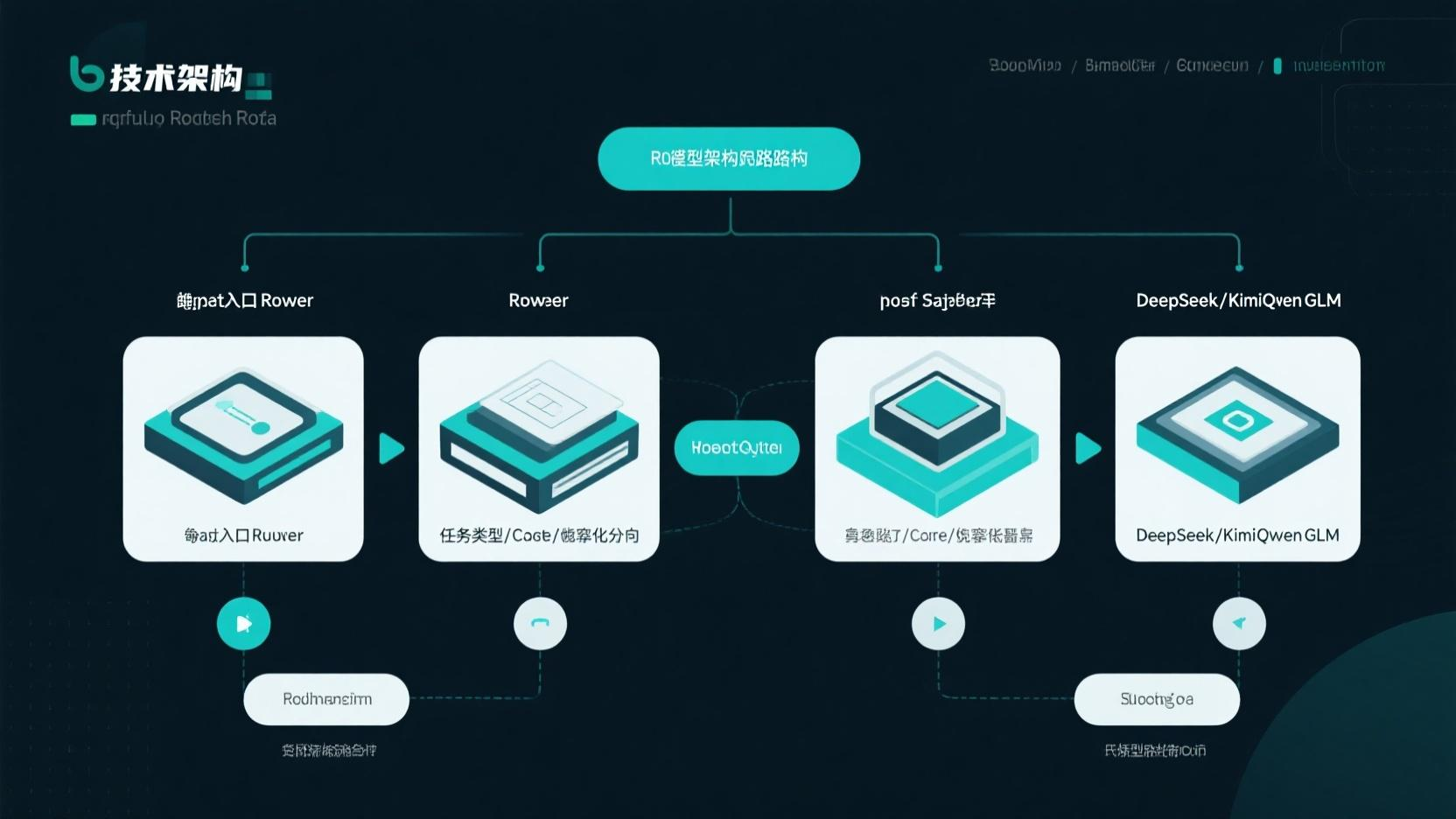
多模型路由:在成本和能力之间调参
既然有这么多模型可以选,为什么不按任务特征自动路由?
# 智能模型路由 —— 根据任务复杂度自动选模型
from enum import Enum
from dataclasses import dataclass

class TaskTier(Enum):
    TRIVIAL = "trivial"    # 分类、摘要、翻译 → DeepSeek
    STANDARD = "standard"  # 代码生成、写作 → DeepSeek / Qwen
    COMPLEX = "complex"    # 深度推理、多步规划 → Kimi / GPT-5.5
    AGENT = "agent"        # 多轮自主推理 → DeepSeek(成本优先)

@dataclass
class ModelConfig:
    name: str
    input_price_per_1M: float
    max_tokens: int
    supports_tools: bool
    supports_vision: bool

MODELS = {
    "deepseek-chat": ModelConfig("DeepSeek V4", 0.02, 128000, True, False),
    "kimi-k2":       ModelConfig("Kimi K2", 1.0, 128000, True, True),
    "qwen4-max":     ModelConfig("Qwen4 Max", 2.0, 32768, True, True),
    "glm-6":         ModelConfig("GLM-6", 0.5, 128000, True, True),
}

class ModelRouter:
    def route(self, task: dict) -> str:
        """根据任务特征路由到最优模型"""

        if task.get("max_cost") and task["max_cost"] < 0.001:
            return "deepseek-chat"  # 预算极低 → DeepSeek

        if task.get("needs_vision"):
            return "kimi-k2"  # 多模态 → Kimi K2

        if task.get("context_length", 0) > 32000:
            return "kimi-k2"  # 长上下文 → Kimi

        if task.get("type") == "code_generation":
            return "deepseek-chat"  # 代码生成 → DeepSeek

        if task.get("type") == "deep_research":
            return "kimi-k2"  # 深度研究 → Kimi

        if task.get("complexity") == "high" and task.get("budget", 0) > 0.01:
            return "glm-6"  # 复杂任务预算OK → GLM-6

        return "deepseek-chat"  # 默认 → DeepSeek(便宜)

# 使用示例
router = ModelRouter()

tasks = [
    {"type": "classification", "text": "判断用户情绪", "max_cost": 0.0001},
    {"type": "code_generation", "lang": "rust", "complexity": "medium"},
    {"type": "deep_research", "topic": "量子计算商业化进展", "budget": 0.05},
]

for task in tasks:
    model = router.route(task)
    config = MODELS[model]
    print(f"任务: {task['type']} → 模型: {config.name} (¥{config.input_price_per_1M}/M token)")
金句
- "DeepSeek 把大模型做成了自来水。下一步的问题是:谁来建自来水厂上的水电站?"
- "两分钱 100 万 token 之后,AI 应用的成本瓶颈不再是模型,是想象力。"
- "Kimi 和 DeepSeek 的差异像一个卖水、一个品酒——都在液体生意里,但挣的是不同的钱。"
- "价格战的尽头不是谁更便宜,是谁能让 Agent 在 100 轮推理后还不起飞。"
结尾
2026 年 5 月的中国大模型市场,用一个词概括:撕裂。
DeepSeek 在打一场没有底线的价格战,Kimi 在融一场没有上限的资本战,通义千问和 GLM 夹在中间找差异化。
但有一点是确定的:API 价格降到这个程度,AI 应用的账开始算得过来了。Agent 以前是"想法很好但跑不起",现在是"先跑 100 轮再说"。
你们公司在用哪家模型?多模型路由的方案落地了吗?成本降了多少?评论区聊聊。
价格数据截至 2026 年 5 月 20 日。API 价格可能随时调整。所有代码已验证可在 DeepSeek V4 API 上运行。

AtomGit 是由开放原子开源基金会联合 CSDN 等生态伙伴共同推出的新一代开源与人工智能协作平台。平台坚持“开放、中立、公益”的理念,把代码托管、模型共享、数据集托管、智能体开发体验和算力服务整合在一起,为开发者提供从开发、训练到部署的一站式体验。
更多推荐

 10
10 0
0- 0


 已为社区贡献64条内容

所有评论(0)