14.RAG系统设计:让AI真正理解你的业务知识
·
如果说 Prompt 决定 AI “怎么说话”,那么 RAG 决定 AI “知道什么”。你也可以去 GitHub 上获取相配套的项目代码。
在真实企业场景中,LLM 最大的问题不是不会说话,而是:
❌ 它不知道你的业务
一、为什么必须有 RAG?
我们先看一个典型问题:
👉 用户问:
“我订单退款多久到账?”
如果没有 RAG:
- ❌ AI 会胡编
- ❌ 或给通用回答
- ❌ 或回答错误流程
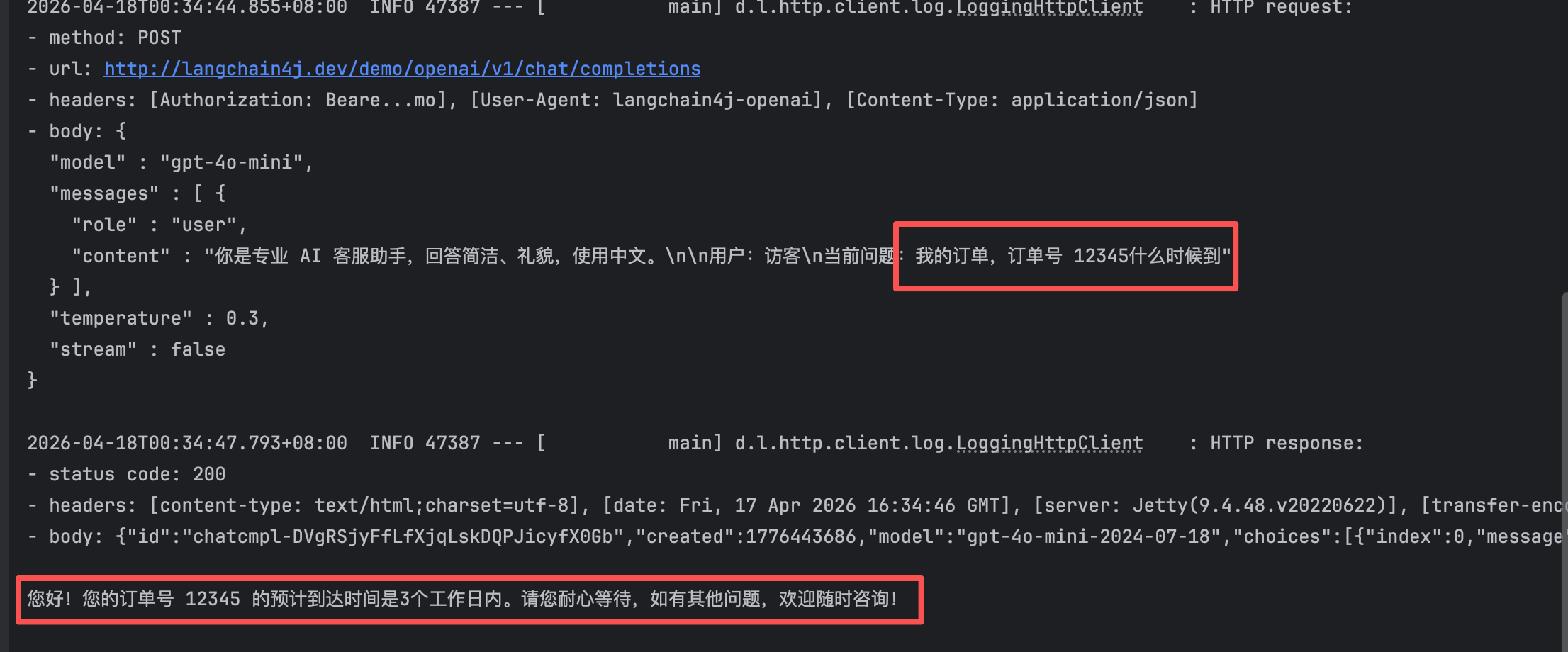
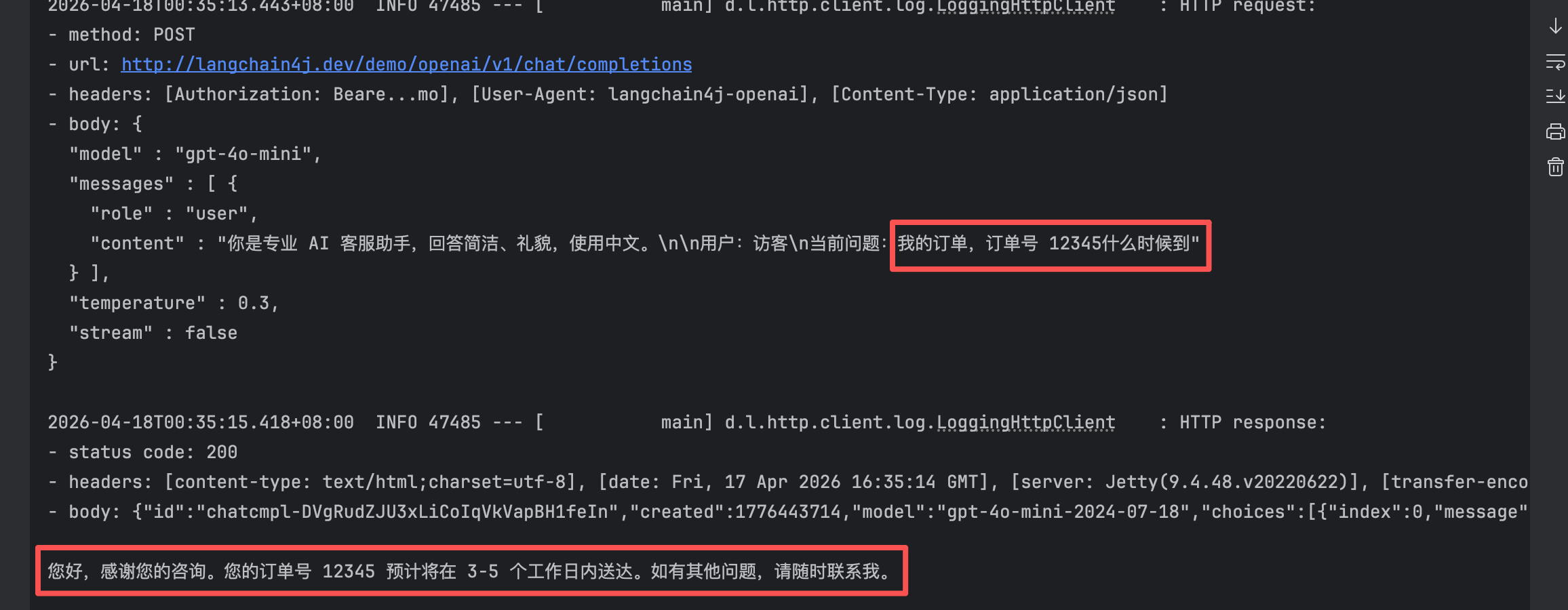
👉 本质问题:
❗ LLM 没有企业知识
二、RAG 是什么?
一句话定义:
👉 RAG = 检索 + 生成
流程如下:
用户问题
   ↓
向量检索(Vector Search)
   ↓
找到相关知识片段
   ↓
拼接 Prompt
   ↓
LLM生成回答
三、RAG在本系统中的位置
ai-core      → 提供LLM能力
ai-prompt    → 控制回答方式
ai-rag       → 提供业务知识(核心)
ai-tools     → 执行动作
ai-eval      → 评估效果
四、ai-rag 模块设计
我们设计一个可扩展结构: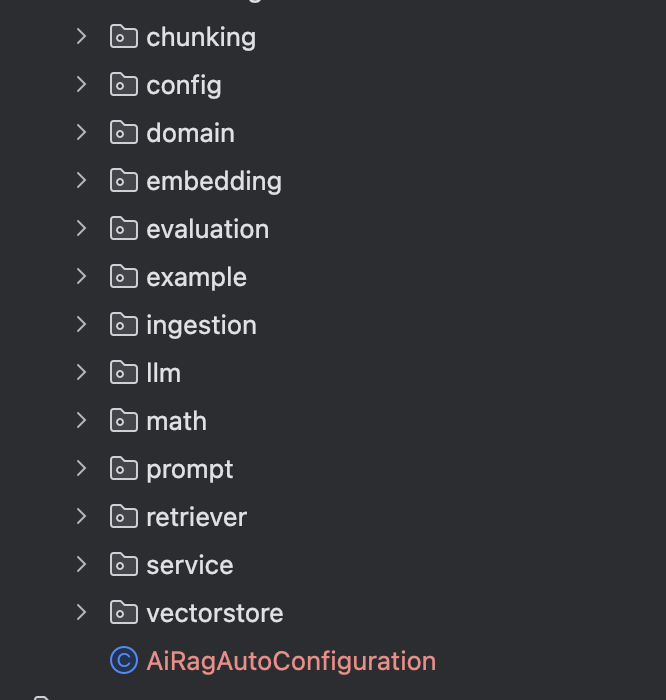
五、核心能力实现
1️⃣ 文档导入(Ingestion)
/**
 * 将原始输入规范为 {@link RagDocument},便于后续切分与入库。
 */
@Service
public class DocumentIngestionService {

    /**
     * 从内存字符串构建文档。
     *
     * @param title   展示用标题
     * @param content 正文
     * @return 文档对象
     */
    public RagDocument fromString(String title, String content) {
        Map<String, String> meta = new HashMap<>();
        meta.put("source", "string");
        return new RagDocument(UUID.randomUUID().toString(), title, content, meta);
    }

    /**
     * 从本地文件(UTF-8)读取全文。
     *
     * @param path 文件路径
     * @return 文档对象,元数据中包含 {@code source=file} 与绝对路径
     * @throws IOException 读取失败
     */
    public RagDocument fromFile(Path path) throws IOException {
        String text = Files.readString(path, StandardCharsets.UTF_8);
        Map<String, String> meta = new HashMap<>();
        meta.put("source", "file");
        meta.put("path", path.toAbsolutePath().toString());
        String title = path.getFileName() != null ? path.getFileName().toString() : "file";
        return new RagDocument(UUID.randomUUID().toString(), title, text, meta);
    }
}
👉 真实系统可以扩展为:
- Word
- Database
- API
六、文本切分(Chunking)
/**
 * 固定长度滑动窗口切分,支持 overlap。
 */
@Component
public class TextChunker {

    /**
     * 按配置将全文切成多块。
     *
     * @param text    全文
     * @param options 窗口与重叠
     * @return 非空文本块列表(可能为空列表若输入为空)
     */
    public List<TextChunk> split(String text, ChunkingOptions options) {
        List<TextChunk> out = new ArrayList<>();
        if (text == null || text.isEmpty()) {
            return out;
        }
        int size = options.maxChars();
        int overlap = options.overlapChars();
        int step = Math.max(1, size - overlap);
        for (int start = 0; start < text.length(); start += step) {
            int end = Math.min(start + size, text.length());
            String piece = text.substring(start, end).trim();
            if (!piece.isEmpty()) {
                Map<String, String> meta = new HashMap<>();
                meta.put("charStart", String.valueOf(start));
                meta.put("charEnd", String.valueOf(end));
                out.add(new TextChunk(UUID.randomUUID().toString(), piece, meta));
            }
            if (end >= text.length()) {
                break;
            }
        }
        return out;
    }
}
👉 作用:
❗ 避免 embedding 语义丢失
七、Embedding 模块
/**
 * 嵌入抽象:可替换为远程 API、其他 ONNX 模型等,而不影响检索与编排层。
 */
public interface EmbeddingService {

    /**
     * 单段文本转向量。
     */
    float[] embed(String text);

    /**
     * 批量嵌入(默认顺序与输入一致)。
     */
    List<float[]> embedAll(List<String> texts);
}
👉 未来可替换:
- OpenAI embedding
- 本地 embedding model
八、向量库设计(核心)
1️⃣ 统一接口
/**
 * 向量存储抽象:可替换为 Milvus、PGVector、Elasticsearch 等实现。
 */
public interface VectorStore {

    /**
     * 批量写入(覆盖同 id 行为由实现定义;内存/H2 实现为追加或替换均可,此处约定按 id upsert)。
     */
    void upsertAll(Collection<VectorRecord> records);

    /**
     * 余弦相似度 Top-K 检索。
     *
     * @param queryEmbedding 查询向量
     * @param topK           返回条数上限
     * @param minScore       最低相似度阈值(余弦相似度)
     * @return 按分数降序
     */
    List<ScoredMatch> similaritySearch(float[] queryEmbedding, int topK, double minScore);

    /**
     * 清空全部向量(测试或重建索引用)。
     */
    void removeAll();
}
2️⃣ 内存实现(默认)
/**
 * 默认实现:进程内 Map 存储,适合开发与单测。
 */
@Component("inMemoryVectorStore")
@ConditionalOnProperty(prefix = "aics.rag", name = "vector-store", havingValue = "in-memory", matchIfMissing = true)
public class InMemoryVectorStore implements VectorStore {

    private final Map<String, VectorRecord> rows = new ConcurrentHashMap<>();

    @Override
    public void upsertAll(Collection<VectorRecord> records) {
        for (VectorRecord r : records) {
            rows.put(r.id(), r);
        }
    }

    @Override
    public List<ScoredMatch> similaritySearch(float[] queryEmbedding, int topK, double minScore) {
        List<ScoredMatch> hits = new ArrayList<>();
        for (VectorRecord r : rows.values()) {
            double score = VectorMath.cosineSimilarity(queryEmbedding, r.embedding());
            if (score >= minScore) {
                hits.add(new ScoredMatch(r.id(), r.text(), score, r.metadata()));
            }
        }
        hits.sort(Comparator.comparingDouble(ScoredMatch::score).reversed());
        if (hits.size() > topK) {
            return List.copyOf(hits.subList(0, topK));
        }
        return hits;
    }

    @Override
    public void removeAll() {
        rows.clear();
    }
}
👉 注意:
❗ 教学版不做复杂相似度计算
3️⃣ 可扩展设计
InMemoryVectorStore → H2VectorStore → MilvusVectorStore
九、Retriever(检索模块)
/**
 * 语义检索:问题嵌入 + 向量库相似度 Top-K。
 */
@Service
public class SemanticRetriever {

    private final EmbeddingService embeddingService;
    private final VectorStore vectorStore;
    private final RagProperties properties;

    public SemanticRetriever(EmbeddingService embeddingService,
                             VectorStore vectorStore,
                             RagProperties properties) {
        this.embeddingService = embeddingService;
        this.vectorStore = vectorStore;
        this.properties = properties;
    }

    /**
     * 对用户问题做检索,返回带分数的片段。
     */
    public List<ScoredMatch> retrieve(String query) {
        float[] q = embeddingService.embed(query == null ? "" : query);
        return vectorStore.similaritySearch(q, properties.getRetrievalTopK(), properties.getMinScore());
    }
}
十、RAG核心服务(系统编排)
/**
 * RAG 编排:检索 → {@link PromptScenario#RAG} 模板 → {@link RagLlmClient}。
 * <p>
 * 需注册 {@link RagLlmClient} Bean;与 ai-core 解耦,仅依赖本接口。
 */
@Service
@ConditionalOnBean(RagLlmClient.class)
public class RagService {

    private final SemanticRetriever semanticRetriever;
    private final PromptFactory promptFactory;
    private final RagLlmClient ragLlmClient;

    public RagService(SemanticRetriever semanticRetriever,
                      PromptFactory promptFactory,
                      RagLlmClient ragLlmClient) {
        this.semanticRetriever = semanticRetriever;
        this.promptFactory = promptFactory;
        this.ragLlmClient = ragLlmClient;
    }

    /**
     * 基于知识库检索回答用户问题。
     */
    public String answer(String question) {
        List<ScoredMatch> matches = semanticRetriever.retrieve(question);
        String contextBlock = formatContext(matches);
        BuiltPrompt built = promptFactory.forScenario(PromptScenario.RAG)
                .variable("question", question == null ? "" : question)
                .context(contextBlock)
                .build();
        return ragLlmClient.complete(PromptAssembly.toSingleString(built));
    }

    private static String formatContext(List<ScoredMatch> matches) {
        if (matches.isEmpty()) {
            return "(暂无检索到相关片段)";
        }
        StringBuilder sb = new StringBuilder();
        for (int i = 0; i < matches.size(); i++) {
            ScoredMatch m = matches.get(i);
            sb.append("[").append(i + 1).append("] ").append(m.text().trim()).append('\n');
        }
        return sb.toString().trim();
    }
}
十一、RAG系统完整流程
用户问题
   ↓
Retriever检索知识
   ↓
拼接 Prompt
   ↓
LLM生成回答
   ↓
返回结果
十二、RAG带来的本质变化
🧠 1. AI从“通用模型”变成“业务专家”
🧩 2. 知识可以动态更新
不用重新训练模型
⚡ 3. 企业可控性大幅提升
十三、这一层的意义(非常关键)
如果说:
- ai-core = 大脑
- ai-prompt = 思维方式
那么:
👉 ai-rag = 记忆与知识库
十四、总结
这一篇你完成了:
👉 从“聊天AI”升级到“企业AI系统”
下一篇预告
👉 《AI Memory系统:让客服真正“记住用户”》
我们将进入:
- 用户画像
- 长短期记忆
- Session增强
- 个性化AI

AtomGit 是由开放原子开源基金会联合 CSDN 等生态伙伴共同推出的新一代开源与人工智能协作平台。平台坚持“开放、中立、公益”的理念,把代码托管、模型共享、数据集托管、智能体开发体验和算力服务整合在一起,为开发者提供从开发、训练到部署的一站式体验。
更多推荐

 3
3 0
0- 0


 已为社区贡献10条内容

所有评论(0)