C++线性表
线性表List:具有相同数据类型的n(n>=0)个数的有限序列。
一般表示形式:L = (a1,a2,... ,ai,... ,an)
a1是第一个数据元素,称为表头元素,an是最后一个数据元素,称为表尾元素。除第一个元素外,每一个元素有且只有一个前驱。除最后一个元素外,每一个元素有且只有一个后驱。
线性表是一种逻辑结构,表示元素之间一对一的相邻关系。顺序表和链表是指储存结构。
顺序表:线性表的顺序存储又称顺序表。用一组地址连续的存储单元依次存储线性表中的数据元素的线性表。
- 静态顺序表:使用定长数组存储元素
#include<stddef.h>//size_t是无符号整数类型,通常用于表示对象的大小或数组的索引等。它的定义在stddef.h头文件中。 #include<stdio.h> typedef struct SeqList{ int arr[100];//静态分配,数组长度固定 size_t size;//当前顺序表的长度 }SeqList;//给结构体起别名,后续使用时可以直接写 SeqList,不用写 struct SeqList -
动态顺序表:使用动态开辟的数组存储
typedef struct SeqList{
	int* a;//顺序表的数组指针,指向存储元素的内存空间
	int size;//当前顺序表中元素的数量
	int capacity;//当前分配的内存空间可以容纳的元素数量
}SeqList;
C语言malloc,free函数;C++new,delete关键字。malloc返回一篇连续的存储空间的指针
(int*)malloc(sizeof(int)*10)
静态顺序表适用于知道存多少数据的场景。所以一般使用动态顺序表。
//初始化
void SLInit(SL* psl)
{
	assert(psl);
	psl->a = NULL;
	psl->size = 0;
	psl->capacity = 0;
}

//销毁
void SLDestory(SL* psl)
{
	assert(psl);
	free(psl->a);
	psl->a = NULL;
	psl->size = psl->capacity = 0;
}

//输出操作
void SLPrint(SL* psl)
{
	assert(psl);

	for (int i = 0; i < psl->size; i++)
	{
		printf("%d", psl->a[i]);
	}
	printf("\n");
}

//扩容
void SLCheckCapacity(SL* psl)
{
	assert(psl);

	if (psl->size == psl->capacity)
	{
		int newCapacity = psl->capacity == 0 ? 4 : psl->capacity * 2;
		SLDataType* tmp = (SLDataType*)realloc(psl->a,(sizeof(SLDataType) * newCapacity));
		if (tmp == NULL)
		{
			perror("sealist newcapacity realloc fail");
			exit(-1);
		}
		psl->a = tmp;
		psl->capacity = newCapacity;
	}
}

//尾插
void SLPushBack(SL* psl, SLDataType x)
{
	assert(psl);
	SLCheckCapacity(psl);

	psl->a[psl->size] = x;
	psl->size++;
}

//头插
void SLPushFront(SL* psl, SLDataType x)
{
	assert(psl);
	SLCheckCapacity(psl);

	for (int end = psl->size - 1; end >= 0; end--)
	{
		psl->a[end + 1] = psl->a[end];
	}
	psl->size++;
	psl->capacity++;
}

//尾删
void SLPopBack(SL* psl)
{
	assert(psl);
	assert(psl->size > 0);
	psl->size--;
}

//头删
void SLPopFront(SL* psl)
{
	assert(psl);
	assert(psl->size > 0);

	int begin = 1;
	while (begin < psl->size)
	{
		psl->a[begin - 1] = psl->a[begin];
		begin++;
	}
	psl->size--;
}

//pos是下标,插入
void SLInsert(SL* psl, int pos, SLDataType x)
{
	assert(psl);
	assert(pos >= 0 && pos < psl->size);

	SLCheckCapacity(psl);

	int end = psl->size - 1;
	while (end >= pos)
	{
		psl->a[end + 1] = psl->a[end];
		end--;
	}
	psl->a[pos] = x;
	psl->size++;
}

//删除
void SLErase(SL* psl, int pos)
{
	assert(psl);
	assert(pos >= 0 && pos < psl->size);

	int begin = pos + 1;
	while (begin < psl->size)
	{
		psl->a[begin - 1] = psl->a[begin];
		++begin;
	}
	psl->size--;
}

//按值查找
int SLFind(SL* psl, SLDataType x)
{
	assert(psl);

	for (int i = 0; i < psl->size; i++)
	{
		if (psl->a[i] == x)
		{
			return i;
		}
	}
}

//表长
int SLSize(SL* psl)
{
	assert(psl);

	return psl->size;
}

//判空
bool SLEmpty(SL* psl)
{
	if (psl == NULL)
		return true;
	else
		return false;
}
顺序表的问题及思考
中间/头部的插入删除,时间复杂度为O(N)
增容需要申请新空间,拷贝数据,释放就空间。有不小的消耗。
增容一般呈两倍增长,可能造成空间浪费。
解决以上问题引出链表结构,也是线性表的一种。
链表:链表是一种物理存储结构上非连续、非顺序的存储结构,数据元素的逻辑顺序是通过链表中的指针链接次序实现的。
- 单链表:线性表的链式存储又称单链表,它是指通过一组任意的存储单元来存储线性表中的数据元素。
typedef struct SlistNode{
	int data;
	struct SlistNode* next;
}SlistNode;
//链表的节点处理存储元素自身的信息外,还需要存放一个后继的指针。
class Node{ public: int data; Node* next; Node(int x):data(x),next(NULL){}//构造函数,初始化data为x,next为NULL };
为了操作上的方便,在单链表第一个结点前附加一个结点,成为头结点。头结点的指针域指向线性表的第一个元素的结点。
void SLTPrint(SLNode* phead)
{
	SLNode* cur = phead;
	while (cur != NULL)
	{
		printf("%d->", cur->val);
		cur = cur->next;
	}
	printf("NULL\n");
}

SLNode* CreateNode(SLNDataType x)
{
	SLNode* newnode = (SLNode*)malloc(sizeof(SLNode));
	if (newnode == NULL)
	{
		perror("malloc fail");
		exit(-1);
	}
	newnode->val = x;
	newnode->next = NULL;
	return newnode;
}

void SLTPushBack(SLNode** pphead, SLNDataType x)
{
	//assert(pphead);

	SLNode* newnode = CreateNode(x);
	if (*pphead == NULL)
	{
		*pphead = newnode;
	}
	else
	{
		SLNode* tail = *pphead;
		while (tail->next != NULL)
		{
			tail = tail->next;
		}
		tail->next = newnode;
	}
}

void SLTPushFront(SLNode** pphead, SLNDataType x)
{
	assert(pphead);
	SLNode* newnode = CreateNode(x);
	newnode->next = *pphead;
	*pphead = newnode;
}

void SLTPopBack(SLNode** pphead)
{
	assert(pphead);
	assert(*pphead);

	if ((*pphead)->next == NULL)
	{
		free(*pphead);
		*pphead = NULL;
	}
	else
	{
		SLNode* tail = *pphead;
		while (tail->next->next != NULL)
		{
			tail = tail->next;
		}
		free(tail->next);
		tail->next = NULL;
	}


}

void SLTPopFront(SLNode** pphead)
{
	assert(pphead);
	assert(*pphead);

	SLNode* tmp = *pphead;
	*pphead = (*pphead)->next;

	free(tmp);

}

SLNode* SLTFind(SLNode* phead, SLNDataType x)
{
	SLNode* cur = phead;
	while (cur)
	{
		if (cur->val == x) return cur;
		else cur = cur->next;
	}
	return NULL;
}

void SLTInser(SLNode** pphead, SLNode* pos, SLNDataType x)
{
	//严格限定pos一定是链表中的一个有效节点
	assert(pphead);
	assert(pos);
	assert(*pphead);

	if (pos == *pphead)
	{
		SLTPushFront(pphead,x);
	}
	else
	{
		SLNode* prev = *pphead;
		while (prev->next != pos)
		{
			prev = prev->next;
		}
		SLNode* newnode = CreateNode(x);
		prev->next = newnode;
		newnode->next = pos;
	}
}

void SLTErase(SLNode** pphead, SLNode* pos)
{
	assert(pphead);
	assert(pos);
	assert(*pphead);

	if (*pphead == pos)
	{
		SLTPopFront(pphead);
	}
	else
	{
		SLNode* prev = *pphead;
		while (prev->next != pos)
		{
			prev = prev->next;
		}
		prev->next = pos->next;
		free(pos);
		pos = NULL;
	}
}


void SLTInsertAfter(SLNode* pos, SLNDataType x)
{
	assert(pos);
	SLNode* newnode = CreateNode(x);

	newnode->next = pos->next;
	pos->next = newnode;
}

void SLTEraseAfter(SLNode* pos)
{
	assert(pos);
	assert(pos->next);

	SLNode* tmp = pos->next;
	pos->next = pos->next->next;
	free(tmp);
	tmp = NULL;
}

void STLDestory(SLNode** pphead)
{
	assert(pphead);

	SLNode* cur = *pphead;
	while (cur)
	{
		SLNode* next = cur->next;
		free(cur);
		cur = next;
	}
	*pphead = NULL;
}- 双链表:双链表结点中有两个指针,分别指向其前驱结点和后继结点。
typedef struct ListNode { struct ListNode* next;//后继结点指针 struct ListNode* prev;//前驱结点指针 int data; }LTNode; - 循环链表:最后一个结点的指针不是NULL,改为指向头结点,从而使链表形成一个环。在循环双链表中,头结点的prve指针还要指向表尾结点。
- 带头双向循环链表
LTNode* BuyListNode(LTDataType x)
{
	LTNode* node = (LTNode*)malloc(sizeof(LTNode));
	if (node == NULL)
	{
		perror("malloc fail");
		//return NULL;
		exit(-1);
	}
	node->next = NULL;
	node->prev = NULL;
	node->data = x;

	return node;
}

LTNode* LTInit()
{
	LTNode* phead = BuyListNode(-1);
	phead->next = phead;
	phead->prev = phead;

	return phead;
}

void LTDestroy(LTNode* phead);

void LTPrint(LTNode* phead)
{
	assert(phead);

	printf("<=head=>");
	LTNode* cur = phead->next;
	while (cur != phead)
	{
		printf("%d<=>", cur->data);
		cur = cur->next;
	}
	printf("\n");
}

bool LTEmpty(LTNode* phead)
{
	assert(phead);

	/*if (phead->next == phead)
	{
		return true;
	}
	else
	{
		return false;
	}*/

	return phead->next == phead;
}


void LTPushBack(LTNode* phead, LTDataType x)
{
	assert(phead);

	//LTNode* newnode = BuyListNode(x);
	//LTNode* tail = phead->prev;

	//// phead            tail  newnode
	//tail->next = newnode;
	//newnode->prev = tail;
	//newnode->next = phead;
	//phead->prev = newnode;

	LTInsert(phead, x);
}

void LTPopBack(LTNode* phead)
{
	assert(phead);
	assert(!LTEmpty(phead));

	LTNode* tail = phead->prev;
	LTNode* tailPrev = tail->prev;

	tailPrev->next = phead;
	phead->prev = tailPrev;
	free(tail);
	tail = NULL;
}

void LTPushFront(LTNode* phead, LTDataType x)
{
	assert(phead);

	//LTNode* newnode = BuyListNode(x);
	//LTNode* first = phead->next;
	//phead->next = newnode;
	//newnode->prev = phead;

	//newnode->next = first;
	//first->prev = newnode;

	// 㻻˳
	//newnode->next = phead->next;
	//phead->next->prev = newnode;

	//phead->next = newnode;
	//newnode->prev = phead;

	LTInsert(phead->next, x);
}

void LTPopFront(LTNode* phead)
{
	assert(phead);
	assert(!LTEmpty(phead));
	//....
}

void LTInsert(LTNode* pos, LTDataType x)
{
	assert(pos);

	LTNode* prev = pos->prev;
	LTNode* newnode = BuyListNode(x);
	// prev newnode pos

	prev->next = newnode;
	newnode->prev = prev;

	newnode->next = pos;
	pos->prev = newnode;
}
顺序表 链表 存取 (读写) 方式 顺序表可以顺序存取,也可以随机存取 链表只能从表头顺序存取元素 逻辑结构与物理结构 采用顺序存储时,逻辑上相邻的元素,对应的物理存储位置也相邻 而采用链式存储时,逻辑上相邻的元素,物理存储位置不一定相邻, 对应的逻辑关系是通过指针链接 来表示的 查找、插入和删除操作 对于按值查找, 顺序表无序时,两者的时间复杂度均为 O(n);顺序表有序时, 可采用折半查找, 此时的时间复杂度为 O(log ₂n)。 对于按序号查找,顺序表支持随机访问,时间复杂度仅为O(1)
顺序表的插入、删除操作,平均需要移动半个表长的元素
链表按值查找的平均时间复杂度为O(n)
链表的插入、删除操作,只需修改相关结点的指针域即可
空间分配顺序 存储在静态存储分配情形下,需要预先分配足够大的存储空间。预先分配过大,可能会导致顺序表后部大量闲置; 预先分配过小, 又会造成溢出。动态存储分配虽然存储空间可以扩充,但需要移动大量元素, 操作效率降低,而且若内存中没有更大块的连续存储空间,则会导致分配失败 链式存储的结点空间只在需要时申请分配,只要内存有空间就可以分配, 操作灵活、高效。
栈:只允许在一端进行插入和删除操作的线性表
空栈:不含任何数据元素的栈
栈顶:允许插入和删除的一端;插入:入栈、进栈、压栈。删除:出栈、弹栈
栈底:另一端
特性:先进后出。。。
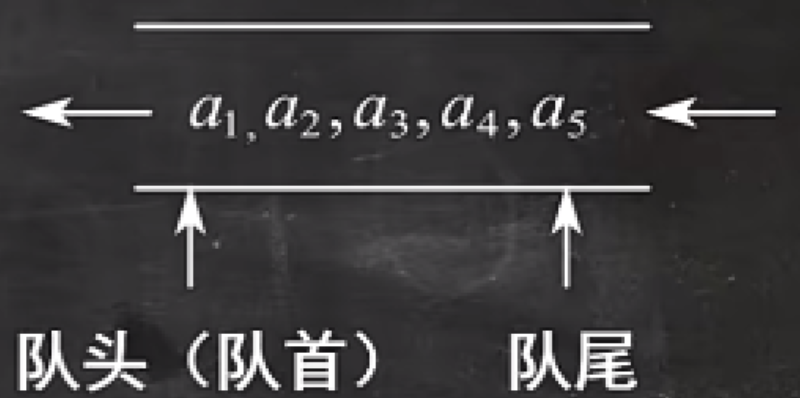
队列:只允许在表的一端插入,另一端删除的线性表;允许插入的一端叫队尾, 允许删除的一端叫队头。
字符串:简称串,是由零个或多个字符组成的有限序列
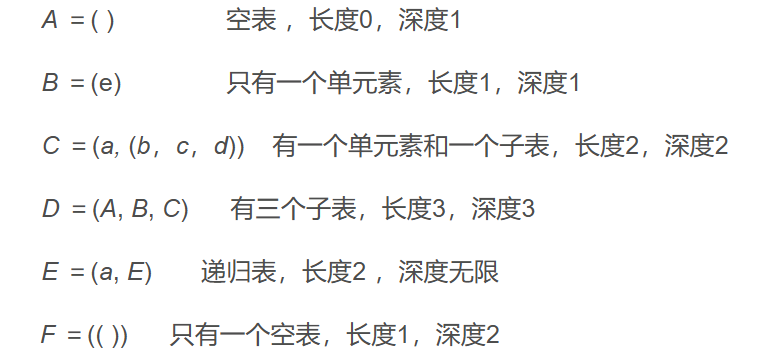
广义表:n ( >=0 )个表元素组成的有限序列

AtomGit 是由开放原子开源基金会联合 CSDN 等生态伙伴共同推出的新一代开源与人工智能协作平台。平台坚持“开放、中立、公益”的理念,把代码托管、模型共享、数据集托管、智能体开发体验和算力服务整合在一起,为开发者提供从开发、训练到部署的一站式体验。
更多推荐
 7
7 0
0- 0


 已为社区贡献8条内容

所有评论(0)