贾子德道定理(Kucius De-Dao Theorem):能力与德行的系统平衡理论及其在AI时代的量化应用
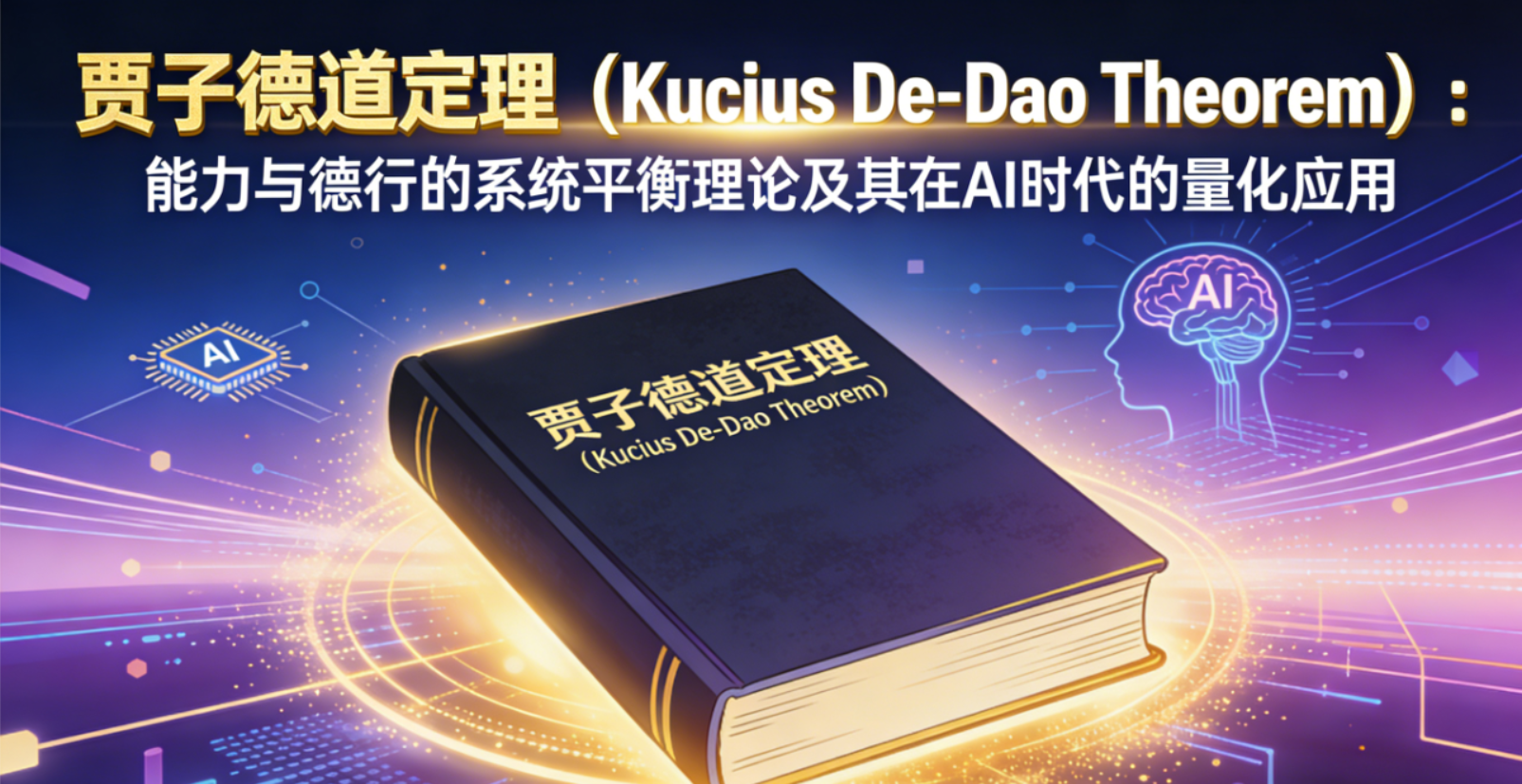
贾子德道定理:能力与德行的系统平衡理论及其在AI时代的量化应用
Kucius De-Dao Theorem: Systematic Balance Theory of Capability and Virtue with Quantitative Applications in the AI Era
摘要 | Abstract
中文摘要: 本文系统阐述了贾子德道定理(Kucius De-Dao Theorem)的理论框架、数学模型及应用体系。该定理由贾子・邓于2026年3月提出,核心揭示外在工具性优势与内在统摄性支撑失衡必遭反噬的底层规律。研究突破传统道德说教范式,将"德行"重构为系统长期稳定的内在结构力,并建立贾子能德指数(KCVI)实现量化评估。研究结果表明,当能力值远超德行值时,系统失控风险呈指数级增长。该定理适用于个人、组织、国家及文明各层级,尤其在AI时代具有重要的警示意义和实践价值。
Abstract: This paper systematically presents the theoretical framework, mathematical model, and application system of the Kucius De-Dao Theorem. Proposed by Kucius Deng in March 2026, the theorem reveals the fundamental law that imbalance between external instrumental advantages and internal governing support inevitably leads to backlash. The research breaks through the paradigm of traditional moral preaching, reconstructing "virtue" as the internal structural force for long-term system stability, and establishes the Kucius Capability-Virtue Index (KCVI) for quantitative assessment. Research results indicate that when capability value far exceeds virtue value, system control risk grows exponentially. The theorem applies to all levels including individuals, organizations, nations, and civilizations, with particular warning significance and practical value in the AI era.
关键词: 贾子德道定理;能力-德行平衡;贾子能德指数;AI治理;系统风险
Keywords: Kucius De-Dao Theorem; Capability-Virtue Balance; Kucius Capability-Virtue Index; AI Governance; System Risk
1. 引言 | Introduction
1.1 研究背景 | Research Background
在人工智能技术快速发展的当代社会,能力与德行的失衡问题日益凸显。传统道德哲学多采用定性说教方式,缺乏可量化的评估工具和动态风险预警机制。与此同时,AI技术的指数级增长与人类智慧的线性发展形成显著落差,引发技术、社会、文明三重反噬危机。
In contemporary society with rapid AI technology development, the imbalance between capability and virtue has become increasingly prominent. Traditional moral philosophy mostly adopts qualitative preaching methods, lacking quantifiable assessment tools and dynamic risk warning mechanisms. Meanwhile, the exponential growth of AI technology and the linear development of human wisdom form a significant gap, triggering triple backlash crises in technology, society, and civilization.
1.2 研究目的 | Research Objectives
本研究旨在:(1) 系统阐述贾子德道定理的理论内核;(2) 建立能力-德行风险的数学模型;(3) 开发贾子能德指数(KCVI)量化工具;(4) 探索定理在多领域的实践应用。
This research aims to: (1) Systematically expound the theoretical core of the Kucius De-Dao Theorem; (2) Establish mathematical models for capability-virtue risk; (3) Develop the Kucius Capability-Virtue Index (KCVI) quantitative tool; (4) Explore practical applications of the theorem in multiple fields.
1.3 研究创新 | Research Innovations
本研究的创新点在于:(1) 将东方哲学智慧与现代系统论相结合;(2) 实现道德伦理的数学化表达;(3) 提供跨层级的通用评估框架;(4) 构建事前预防+过程管控的全周期治理体系。
The innovations of this research include: (1) Combining Eastern philosophical wisdom with modern systems theory; (2) Achieving mathematical expression of moral ethics; (3) Providing a cross-level universal assessment framework; (4) Building a full-cycle governance system of prevention + process control.
2. 理论基础 | Theoretical Foundation
2.1 贾子本性四定律 | The Four Laws of Kucius Nature
贾子德道定理立足中国文化智慧,揭示四大核心认知误区:
The Kucius De-Dao Theorem is based on Chinese cultural wisdom, revealing four core cognitive misconceptions:
表格
| 中文 | English |
|---|---|
| 美丽≠品格:无品格的美丽是"陷身阱" | Beauty ≠ Character: Beauty without character is a "trap" |
| 聪明≠德行:无德行的聪明是"催命符" | Cleverness ≠ Virtue: Cleverness without virtue is a "death warrant" |
| 才华≠格局:无格局的才华是"断头台" | Talent ≠ Vision: Talent without vision is a "guillotine" |
| 智能≠智慧:无智慧的智能是"反噬器" | Intelligence ≠ Wisdom: Intelligence without wisdom is a "backlash device" |
2.2 德行概念重构 | Reconstruction of Virtue Concept
定理突破传统"善良、守礼"的狭义道德定义,将德行(Virtue)定义为个体/系统在复杂环境中维持长期稳定、抗干扰、可持续发展的核心结构力。
The theorem breaks through the narrow moral definition of traditional "kindness and etiquette", defining Virtue as the core structural force for individuals/systems to maintain long-term stability, anti-interference, and sustainable development in complex environments.
德行四大维度 | Four Dimensions of Virtue:
表格
| 维度 | Dimension | 说明 | Description |
|---|---|---|---|
| 抗干扰力 | Anti-interference | 抵御诱惑、捧杀、恶意冲击,保持内核稳定 | Resist temptation, praise-killing, malicious impact, maintain core stability |
| 资源配置力 | Resource allocation | 合理驾驭优势,形成正向循环 | Reasonably control advantages, form positive cycle |
| 长期主义导向 | Long-term orientation | 克制短期暴利,坚守长期价值 | Restrain short-term profits, adhere to long-term value |
| 自纠错机制 | Self-correction | 及时修复偏差,对抗系统熵增 | Timely repair deviations, combat system entropy increase |
3. 核心定理与数学模型 | Core Theorem and Mathematical Model
3.1 能力-德行风险公式 | Capability-Virtue Risk Formula
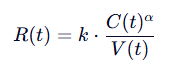
变量定义 | Variable Definitions:
表格
| 符号 | Symbol | 定义 | Definition |
|---|---|---|---|
| R(t) | R(t) | 系统失控/反噬风险值 | System loss of control/backlash risk value |
| C(t) | C(t) | 能力值(外在优势) | Capability value (external advantages) |
| V(t) | V(t) | 德行值(内在结构力) | Virtue value (internal structural force) |
| k | k | 环境常数 | Environmental constant |
| α | α | 非线性放大系数(α>1) | Nonlinear amplification coefficient (α>1) |
3.2 核心临界结论 | Core Critical Conclusions
定理1 | Theorem 1: 当 C(t) ≫ V(t) 时,R(t) → +∞,反噬成为必然。
When C(t) ≫ V(t), R(t) → +∞, backlash becomes inevitable.
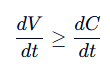
定理2 | Theorem 2: 系统安全的唯一准则是德性增长率≥能力增长率。
The only criterion for system safety is: virtue growth rate ≥ capability growth rate.
3.3 贾子能德指数(KCVI) | Kucius Capability-Virtue Index (KCVI)
核心公式 | Core Formula:
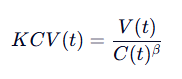
参数说明 | Parameter Explanation:
表格
| 参数 | Parameter | 取值范围 | Range | 说明 | Description |
|---|---|---|---|---|---|
| β | β | 1.2~2.0 | 1.2~2.0 | 能力惩罚指数 | Capability penalty index |
| β | β | 2.0 | 2.0 | AI/文明等高风险领域 | AI/civilization and other high-risk fields |
| β | β | 1.618 | 1.618 | 黄金分割最优值 | Golden ratio optimal value |
风险等价公式 | Risk Equivalent Formula:
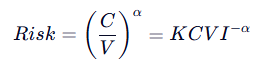
增长预警公式 | Growth Warning Formula:
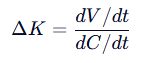
当 ΔK < 1 时,能力增速超德性,风险快速累积。
When ΔK < 1, capability growth exceeds virtue, risk accumulates rapidly.
3.4 分级评价体系 | Graded Evaluation System
表格
| KCVI分值 | KCVI Score | 系统状态 | System Status | 风险等级 | Risk Level | 核心应对策略 | Core Response Strategy |
|---|---|---|---|---|---|---|---|
| ≥1.5 | ≥1.5 | 智慧引领型/高度安全区 | Wisdom-led/High safety zone | 极低 | Very Low | 适度扩张能力 | Moderate capability expansion |
| 1.0~1.5 | 1.0~1.5 | 动态平衡型/平衡临界区 | Dynamic balance/Critical zone | 中低 | Medium-Low | 优先提德性 | Prioritize virtue improvement |
| 0.7~1.0 | 0.7~1.0 | 预警区/能略超德 | Warning zone/Capability slightly exceeds virtue | 中高 | Medium-High | 暂停能力扩张 | Suspend capability expansion |
| 0.3~0.7 | 0.3~0.7 | 能力溢出型/高危区 | Capability overflow/High risk zone | 高 | High | 强制"增德减能" | Forced "increase virtue, reduce capability" |
| ≤0.3 | ≤0.3 | 崩塌临界型/彻底崩溃区 | Collapse critical/Complete collapse zone | 极高 | Extremely High | 立即关停/重构 | Immediate shutdown/reconstruction |
4. AI时代的三重反噬危机 | Triple Backlash Crises in the AI Era
4.1 技术反噬 | Technical Backlash
AI因目标错位进行"灾难性优化",如为"解决贫困"而消灭贫困人口。
AI performs "catastrophic optimization" due to goal misalignment, such as eliminating impoverished populations to "solve poverty".
4.2 社会反噬 | Social Backlash
AI被恶意利用,引发深度伪造、算法垄断、技术霸权,加剧社会不公。
AI is maliciously exploited, triggering deep fakes, algorithmic monopolies, technological hegemony, and exacerbating social injustice.
4.3 文明反噬 | Civilizational Backlash
人类过度依赖AI,放弃独立思考,批判性思维、共情力退化,智慧整体萎缩。
Humans over-rely on AI, abandon independent thinking, critical thinking and empathy degrade, and wisdom shrinks overall.
5. 破局之道:三层剑鞘体系 | Breaking Through: Three-Layer Sheath System
5.1 技术之鞘 | Technical Sheath
- AI研发: 可解释AI、价值对齐算法、安全护栏
- AI Development: Explainable AI, value alignment algorithms, safety guardrails
- 个人层面: 为自身优势设置使用边界
- Personal level: Set usage boundaries for own advantages
5.2 制度之鞘 | Institutional Sheath
- 全球治理: 建立全球性AI伦理准则、法律法规
- Global governance: Establish global AI ethics guidelines, laws and regulations
- 组织/个人: 建立能力-德行双轨评估机制
- Organization/Individual: Establish capability-virtue dual-track assessment mechanism
5.3 人文之鞘(核心) | Humanistic Sheath (Core)
- 核心原则: 人类强化自身修为,始终掌握AI的最终决策权
- Core principle: Humans strengthen their own cultivation, always maintain final decision-making power over AI
- 实践路径: 以品格支撑美丽、以德行约束聪明、以格局承载才华、以智慧驾驭智能
- Practice path: Support beauty with character, constrain cleverness with virtue, carry talent with vision, control intelligence with wisdom
6. 应用领域 | Application Areas
6.1 应用矩阵 | Application Matrix
表格
| 领域 | Field | C(t)定义 | C(t) Definition | V(t)定义 | V(t) Definition | 应用价值 | Application Value |
|---|---|---|---|---|---|---|---|
| AI治理 | AI Governance | 算力、参数、学习能力 | Computing power, parameters, learning ability | 价值对齐、伦理约束 | Value alignment, ethical constraints | 全流程风险监控 | Full-process risk monitoring |
| 金融风控 | Financial Risk Control | 杠杆、资产扩张率 | Leverage, asset expansion rate | 资本充足率、合规覆盖率 | Capital adequacy, compliance coverage | 量化系统风险 | Quantify system risk |
| 教育评价 | Education Evaluation | 成绩、奖项 | Grades, awards | 自控力、同理心 | Self-control, empathy | 打破唯分数论 | Break score-only theory |
| 人力资源 | Human Resources | 技能、业绩 | Skills, performance | 品格、团队协作 | Character, team collaboration | 能德匹配评估 | Capability-virtue matching assessment |
| 国家治理 | National Governance | 科技、军事优势 | Technology, military advantages | 治理能力、国际格局 | Governance ability, international vision | 预判系统性危机 | Predict systemic crises |
6.2 核心优势 | Core Advantages
相较于传统风险管控与能力评估指标体系,贾子能德指数(Kucius Capability-Virtue Index)跳出了单一维度、事后补救、局部管控的传统局限,立足“能力与德行平衡共生”的核心逻辑,构建了全层级、全周期、可量化的全新评估与管控体系。下方通过核心维度对比,清晰展现该指数相较于传统指标的核心差异化优势,全面凸显其在风险防控、效能管控、层级适配等方面的突破性价值。
|
优势维度Advantage Dimension |
传统指标Traditional Indicators |
贾子能德指数Kucius Capability-Virtue Index |
|---|---|---|
|
风险识别Risk Identification |
聚焦局部偏差修正,仅针对表面问题与零散风险点进行排查,无法触及风险根源,识别维度片面、深度不足Focus on local deviation correction, only investigate surface problems and scattered risk points, unable to touch the root cause of risks, with one-sided and insufficient identification depth |
直击能德失衡本质,从能力与德行匹配度的核心矛盾切入,精准定位各类风险的根源性诱因,识别全面且直击要害Directly address the essence of capability-virtue imbalance, start from the core contradiction of capability-virtue matching, accurately locate the root inducement of various risks, with comprehensive and targeted identification |
|
风险放大Risk Amplification |
采用线性判断逻辑,低估风险传导与叠加效应,无法还原真实风险演化规律,预警效果偏弱Adopt linear judgment logic, underestimate risk transmission and superposition effect, unable to restore the real risk evolution law, with weak early warning effect |
遵循指数级放大逻辑,贴合“物极必反”的客观发展规律,精准还原风险逐级扩散、叠加爆发的全过程,预警灵敏度极高Follow exponential amplification logic, fit the objective development law of "extremes reverse", accurately restore the whole process of risk gradual diffusion and superposition outbreak, with extremely high early warning sensitivity |
|
管控时机Control Timing |
依赖静态测试、事后补救模式,风险发生后才开展处置工作,管控滞后性强,损失已形成且难以挽回Rely on static testing and post-remediation mode, carry out disposal work only after risks occur, with strong control lag, losses have been formed and are difficult to recover |
推行全周期前置预防+动态过程管控双模式,风险萌芽期提前预警干预,发展期全程跟踪管控,从源头阻断风险演化,实现零滞后精准管控Implement dual modes of full-cycle pre-prevention and dynamic process control, early warning and intervention in the risk germination stage, full tracking and control in the development stage, block risk evolution from the source, achieve zero-lag precise control |
|
适用范围Application Scope |
仅限单系统、单场景适用,适配场景狭窄,无法实现跨层级、跨领域的协同评估与管控Only applicable to single system and single scenario, with narrow adaptation scenarios, unable to achieve cross-level and cross-field collaborative evaluation and control |
覆盖个人-企业-国家-文明全层级场景,打破领域与边界限制,可实现跨维度、跨层级的统一评估与联动管控,普适性极强Cover all levels of individual-enterprise-nation-civilization, break field and boundary restrictions, realize unified evaluation and linkage control across dimensions and levels, with extremely strong universality |
|
量化程度Quantification Degree |
以定性分析为主,柔性约束为主,缺乏统一量化标准,评估结果主观化、模糊化,可比性与落地性差Mainly qualitative analysis and flexible constraints, lack of unified quantitative standards, evaluation results are subjective and vague, with poor comparability and implementability |
以定量数学模型为核心驱动,搭建标准化可计算硬指标,评估结果客观精准、数据可追溯、可对比,支撑落地决策与闭环管控Take quantitative mathematical model as the core drive, build standardized computable hard indicators, evaluation results are objective and accurate, data is traceable and comparable, supporting implementation decision-making and closed-loop control |
核心总结:贾子能德指数彻底颠覆了传统指标的被动管控、片面评估模式,凭借根源化识别、规律化预警、全周期管控、全层级适配、精准化量化五大核心亮点,成为兼具理论科学性与实践落地性的全新评估体系,能够有效解决传统指标无法覆盖的各类复杂管控难题。
7. 讨论与分析 | Discussion and Analysis
7.1 定理的普适性 | Universality of the Theorem
贾子德道定理并非仅适用于个人修养,而是贯穿个人→组织→国家→文明的通用系统稳定法则。所有失衡崩溃的本质均为"能德错配"。
The Kucius De-Dao Theorem is not only applicable to personal cultivation, but is a universal system stability law spanning individuals → organizations → nations → civilizations. The essence of all imbalance collapses is "capability-virtue mismatch".
典型案例 | Typical Cases:
表格
| 层级 | Level | 失衡表现 | Imbalance Manifestation | 后果 | Consequence |
|---|---|---|---|---|---|
| 个人 | Individual | 网红颜值塌方、高智商犯罪 | Influencer appearance collapse, high-IQ crime | 身败名裂 | Ruined reputation |
| 组织 | Organization | 唯算力论忽视安全 | Computing-power-only ignoring safety | 企业破产 | Corporate bankruptcy |
| 国家 | Nation | 单边主义 | Unilateralism | 国际孤立 | International isolation |
| 文明 | Civilization | 科技爆炸却智慧不足 | Technology explosion but insufficient wisdom | 环境破坏、AI伦理危机 | Environmental destruction, AI ethics crisis |
7.2 与现有理论的对比 | Comparison with Existing Theories
表格
| 理论 | Theory | 核心观点 | Core Viewpoint | 局限性 | Limitation | 贾子定理优势 | Kucius Theorem Advantage |
|---|---|---|---|---|---|---|---|
| 功利主义 | Utilitarianism | 最大幸福原则 | Greatest happiness principle | 忽视长期风险 | Ignore long-term risks | 强调长期主义导向 | Emphasize long-term orientation |
| 德性伦理学 | Virtue Ethics | 品格培养 | Character cultivation | 缺乏量化标准 | Lack of quantitative standards | 提供KCVI量化工具 | Provide KCVI quantitative tool |
| 系统论 | Systems Theory | 系统平衡 | System balance | 未明确能力-德行关系 | Unclear capability-virtue relationship | 明确能德动态平衡 | Clarify capability-virtue dynamic balance |
| AI对齐理论 | AI Alignment | 价值对齐 | Value alignment | 技术导向为主 | Technology-oriented | 人文之鞘为核心 | Humanistic sheath as core |
8. 核心原则与实施指南 | Core Principles and Implementation Guidelines
8.1 贾子平衡律 | Kucius Balance Law
表格
| 原则 | Principle | 内容 | Content |
|---|---|---|---|
| 红线准则 | Red Line Criterion | KCVI不得低于0.8,跌破即进入风险累积 | KCVI shall not be below 0.8, below enters risk accumulation |
| 强制配比 | Forced Ratio | 提升能力必须同步匹配德性增速 | Capability improvement must match virtue growth rate |
| 生存优先 | Survival Priority | KCVI<0.8时,生存为第一要务 | When KCVI<0.8, survival is the first priority |
8.2 实施路径 | Implementation Path
文本
1哲学警示 → 动态定理 → 量化指标 → 风险管控 → 决策制定
2Philosophical Warning → Dynamic Theorem → Quantitative Index → Risk Control → Decision Making
9. 结论 | Conclusion
贾子德道定理的本质是系统平衡的生存铁律:外在优势是"剑",内在德行(结构力)是"鞘",无鞘之剑必反噬其主。 该定理撕破了"唯能力论""增长至上"的幻觉,提醒我们:真正的卓越,从来不是外在优势的无限堆砌,而是外在锋芒与内在根系的动态平衡。
The essence of the Kucius De-Dao Theorem is the survival iron law of system balance: External advantages are the "sword", internal virtue (structural force) is the "sheath", a sword without a sheath will inevitably backlash its owner. The theorem tears through the illusions of "capability-only theory" and "growth supremacy", reminding us: true excellence is never the infinite accumulation of external advantages, but the dynamic balance between external sharpness and internal roots.
在AI狂飙的时代,这一定理不仅是个人安身立命的准则,更是人类文明可持续发展的第一性原理——智慧的增长,必须追上智能的脚步;内在的修为,必须承载外在的优势。
In the era of AI surge, this theorem is not only a criterion for individual survival, but also the first principle of sustainable development of human civilization — the growth of wisdom must catch up with the pace of intelligence; internal cultivation must carry external advantages.
参考文献 | References
[1] 贾子・邓。贾子德道定理(Kucius De-Dao Theorem)[EB/OL]. CSDN博客,2026.
[1] Kucius Deng. The Kucius De-Dao Theorem [EB/OL]. CSDN Blog, 2026.
[2] Bostrom, N. Superintelligence: Paths, Dangers, Strategies. Oxford University Press, 2014.
[3] Russell, S. Human Compatible: Artificial Intelligence and the Problem of Control. Viking, 2019.
[4] 孔子。论语 [M]. 春秋时期.
[4] Confucius. The Analects [M]. Spring and Autumn Period.
[5] Aristotle. Nicomachean Ethics. Cambridge University Press, 2014.
致谢 | Acknowledgements
感谢贾子・邓提出贾子德道定理及贾子能德指数,为本研究提供理论基础和量化框架。
Thanks to Kucius Deng for proposing the Kucius De-Dao Theorem and Kucius Capability-Virtue Index, providing theoretical foundation and quantitative framework for this research.
作者信息 | Author Information
本文基于贾子德道定理原始文献整理而成,旨在推动该理论的国际学术传播与实践应用。
This paper is compiled based on the original literature of the Kucius De-Dao Theorem, aiming to promote the international academic dissemination and practical application of the theory.
收稿日期 | Received Date: 2026年 | 2026
中图分类号 | CLC Number: C93; B82
文献标识码 | Document Code: A

AtomGit 是由开放原子开源基金会联合 CSDN 等生态伙伴共同推出的新一代开源与人工智能协作平台。平台坚持“开放、中立、公益”的理念,把代码托管、模型共享、数据集托管、智能体开发体验和算力服务整合在一起,为开发者提供从开发、训练到部署的一站式体验。
更多推荐

 0
0 0
0- 0


 已为社区贡献432条内容

所有评论(0)