ModelEngine系统架构深度解析:从插件机制到多智能体协作的技术革新
ModelEngine系统架构深度解析:从插件机制到多智能体协作的技术革新
在AI应用开发平台激烈竞争的今天,ModelEngine以其独特的技术架构和创新的功能设计,正在重新定义智能体开发的标准。作为长期深耕AI平台架构的技术专家,我将从系统设计的角度深度剖析ModelEngine的核心技术特性,并通过实际案例展示其在企业级应用中的独特价值。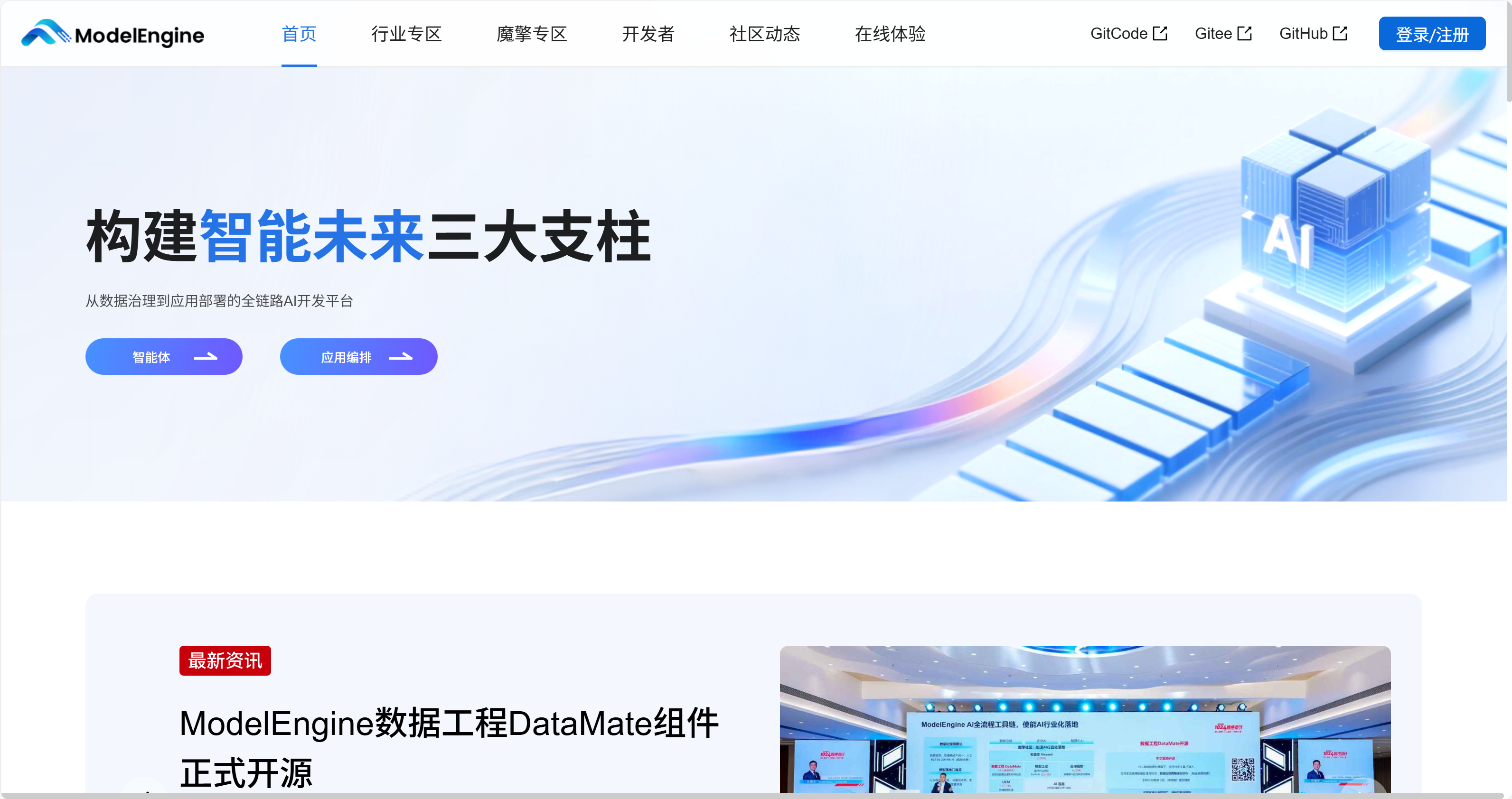
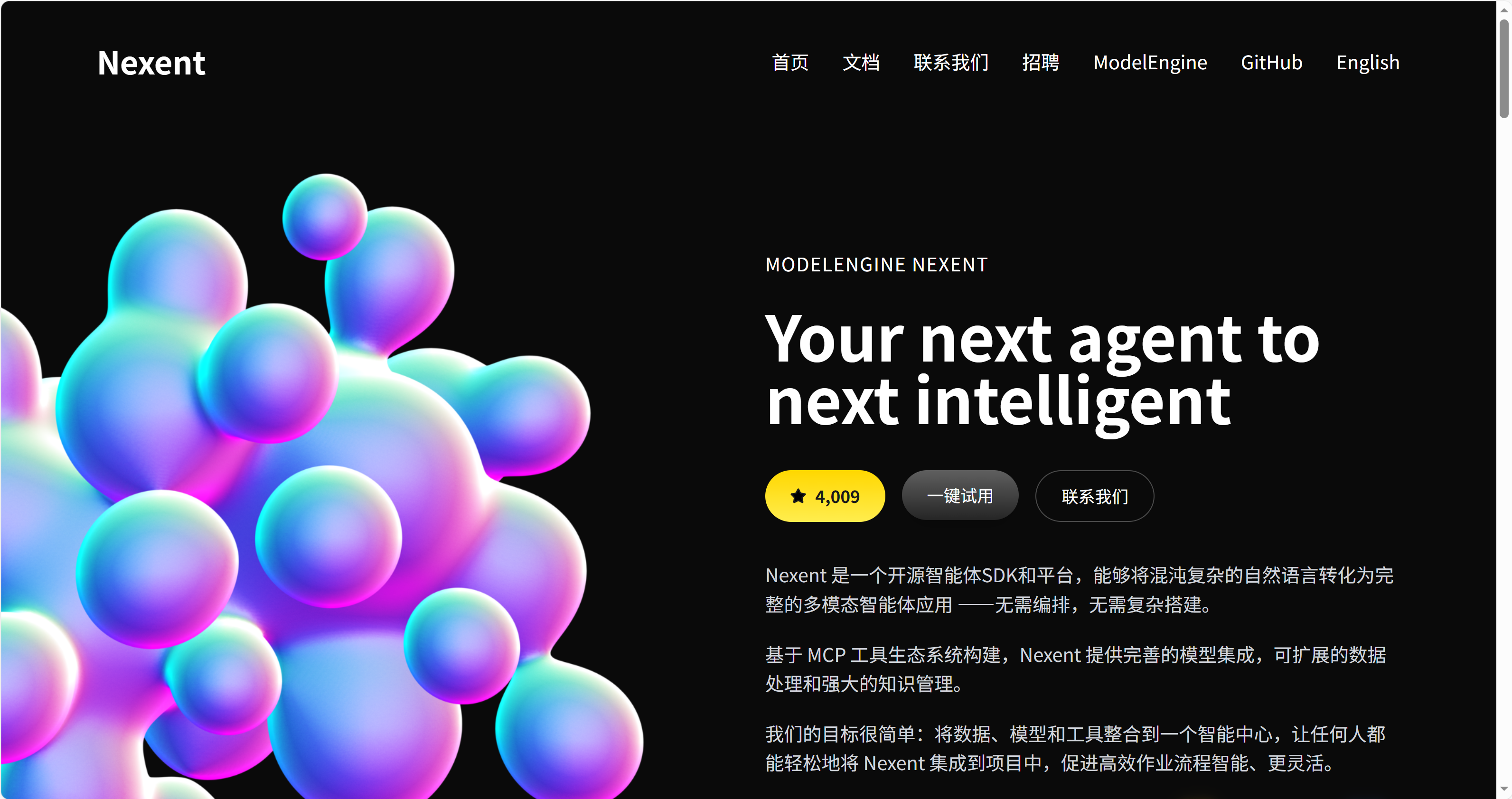
架构哲学:可扩展性与易用性的完美平衡
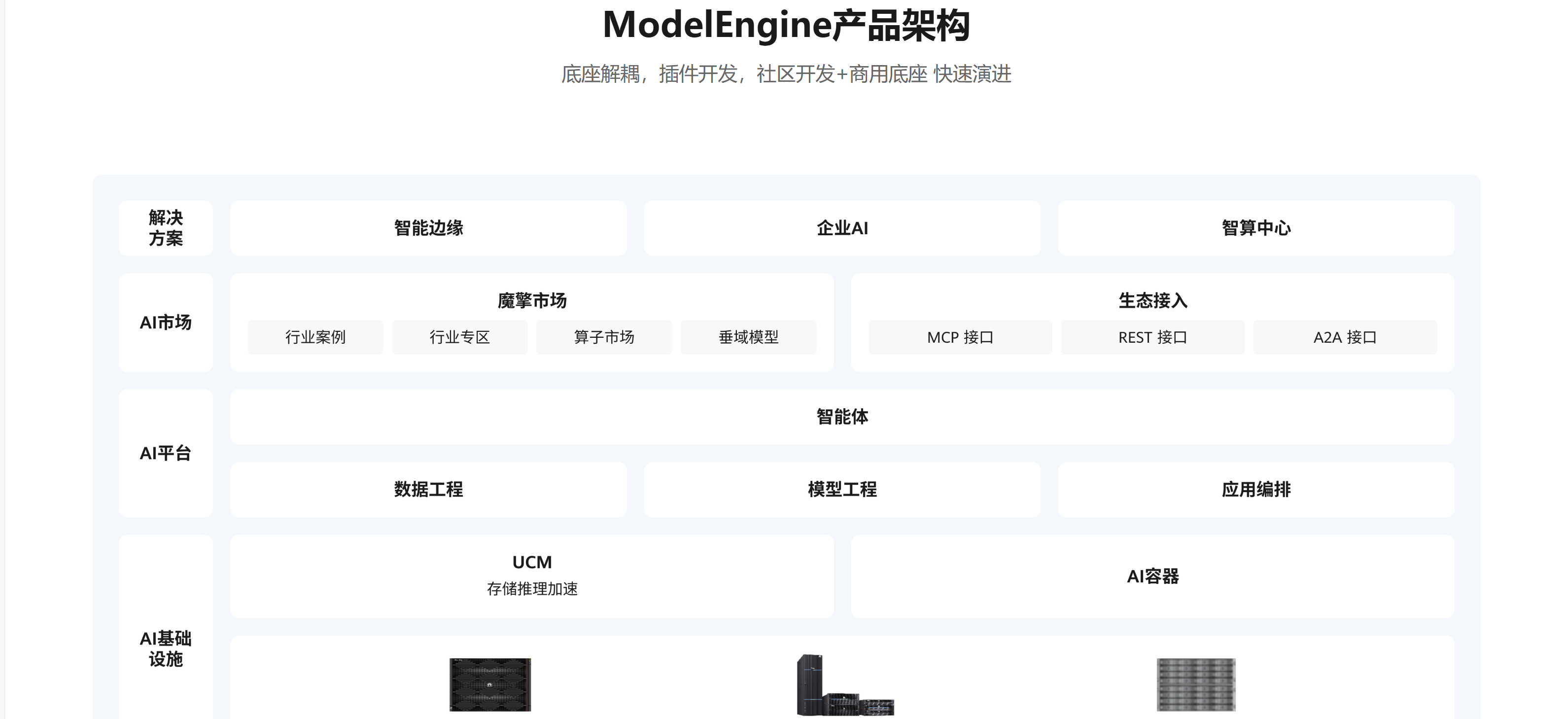
ModelEngine的架构设计体现了"分层抽象、插件化、可视化"三大核心理念。与传统的AI平台相比,它不仅在技术实现上有所突破,更在开发范式上进行了创新。
核心架构层次分析
基础设施层
# 基础设施配置示例
infrastructure_config = {
    "compute_backend": {
        "gpu_acceleration": "auto_scale",
        "memory_management": "dynamic_allocation",
        "model_serving": "multi_tenant"
    },
    "storage_architecture": {
        "vector_database": "distributed_cluster",
        "file_storage": "object_storage",
        "cache_strategy": "multi_level"
    },
    "networking": {
        "api_gateway": "load_balanced",
        "service_mesh": "istio_based",
        "security_layer": "zero_trust"
    }
}
核心服务层
ModelEngine的核心服务采用微服务架构,每个服务都专注于特定领域:
- 智能体管理服务:负责智能体的生命周期管理
- 知识库服务:处理文档解析、向量化和检索
- 工作流引擎:执行可视化编排的业务流程
- 插件运行时:管理自定义插件的执行环境
插件扩展机制:无限可能的系统基石
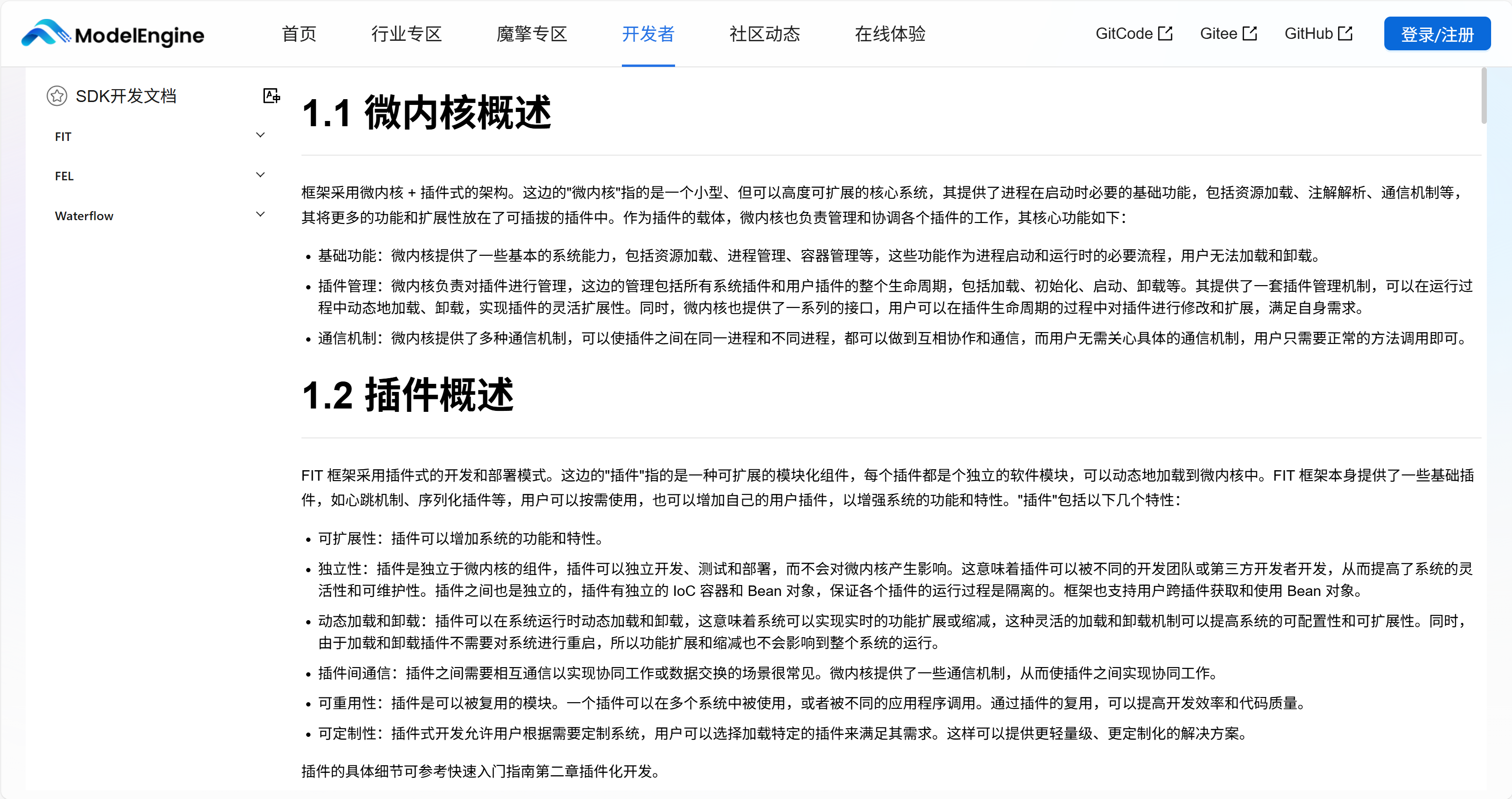
插件架构深度解析
ModelEngine的插件系统采用了一种创新的"热插拔"架构,支持运行时动态加载和卸载插件,而无需重启系统。这种设计为企业级应用的持续交付提供了坚实基础。
插件生命周期管理
class PluginLifecycleManager:
    def __init__(self):
        self.plugin_registry = {}
        self.dependency_graph = DependencyGraph()

    async def load_plugin(self, plugin_config):
        """动态加载插件"""
        plugin_id = plugin_config['id']

        # 依赖检查
        if not await self._check_dependencies(plugin_config):
            raise PluginDependencyError("依赖检查失败")

        # 安全性验证
        security_result = await self._security_scan(plugin_config)
        if not security_result.passed:
            raise PluginSecurityError("安全扫描未通过")

        # 加载插件
        plugin_instance = await self._instantiate_plugin(plugin_config)

        # 注册服务
        await self._register_services(plugin_instance)

        # 更新路由
        await self._update_routing_table(plugin_instance)

        self.plugin_registry[plugin_id] = {
            'instance': plugin_instance,
            'config': plugin_config,
            'status': 'active'
        }

        return plugin_id
插件通信机制
插件间的通信采用基于事件的异步消息模式,确保系统的高性能和可扩展性:
class PluginEventBus:
    def __init__(self):
        self.channels = defaultdict(list)
        self.message_queue = asyncio.Queue()

    async def publish(self, channel, message):
        """发布事件"""
        event = {
            'id': str(uuid.uuid4()),
            'channel': channel,
            'timestamp': datetime.now().isoformat(),
            'data': message
        }

        await self.message_queue.put(event)

        # 异步处理订阅者
        asyncio.create_task(self._notify_subscribers(event))

    async def subscribe(self, channel, callback):
        """订阅事件"""
        self.channels[channel].append(callback)

    async def _notify_subscribers(self, event):
        """通知订阅者"""
        callbacks = self.channels[event['channel']]
        tasks = [callback(event) for callback in callbacks]
        await asyncio.gather(*tasks, return_exceptions=True)
企业级插件开发实践
数据库连接插件
class DatabaseConnectorPlugin:
    def __init__(self, config):
        self.connection_pool = {}
        self.query_cache = LRUCache(maxsize=1000)

    async def execute_query(self, db_config, query, params=None):
        """执行数据库查询"""
        connection_key = self._get_connection_key(db_config)

        if connection_key not in self.connection_pool:
            await self._create_connection_pool(db_config)

        cache_key = self._generate_cache_key(query, params)
        if cache_key in self.query_cache:
            return self.query_cache[cache_key]

        async with self.connection_pool[connection_key].acquire() as conn:
            result = await conn.execute(query, params)
            self.query_cache[cache_key] = result
            return result

    async def transactional_operation(self, db_config, operations):
        """事务性操作"""
        async with self.connection_pool[
            self._get_connection_key(db_config)
        ].transaction() as tx:
            results = []
            for op in operations:
                result = await tx.execute(op['query'], op.get('params'))
                results.append(result)
            return results
可视化编排引擎:业务逻辑的可视化表达
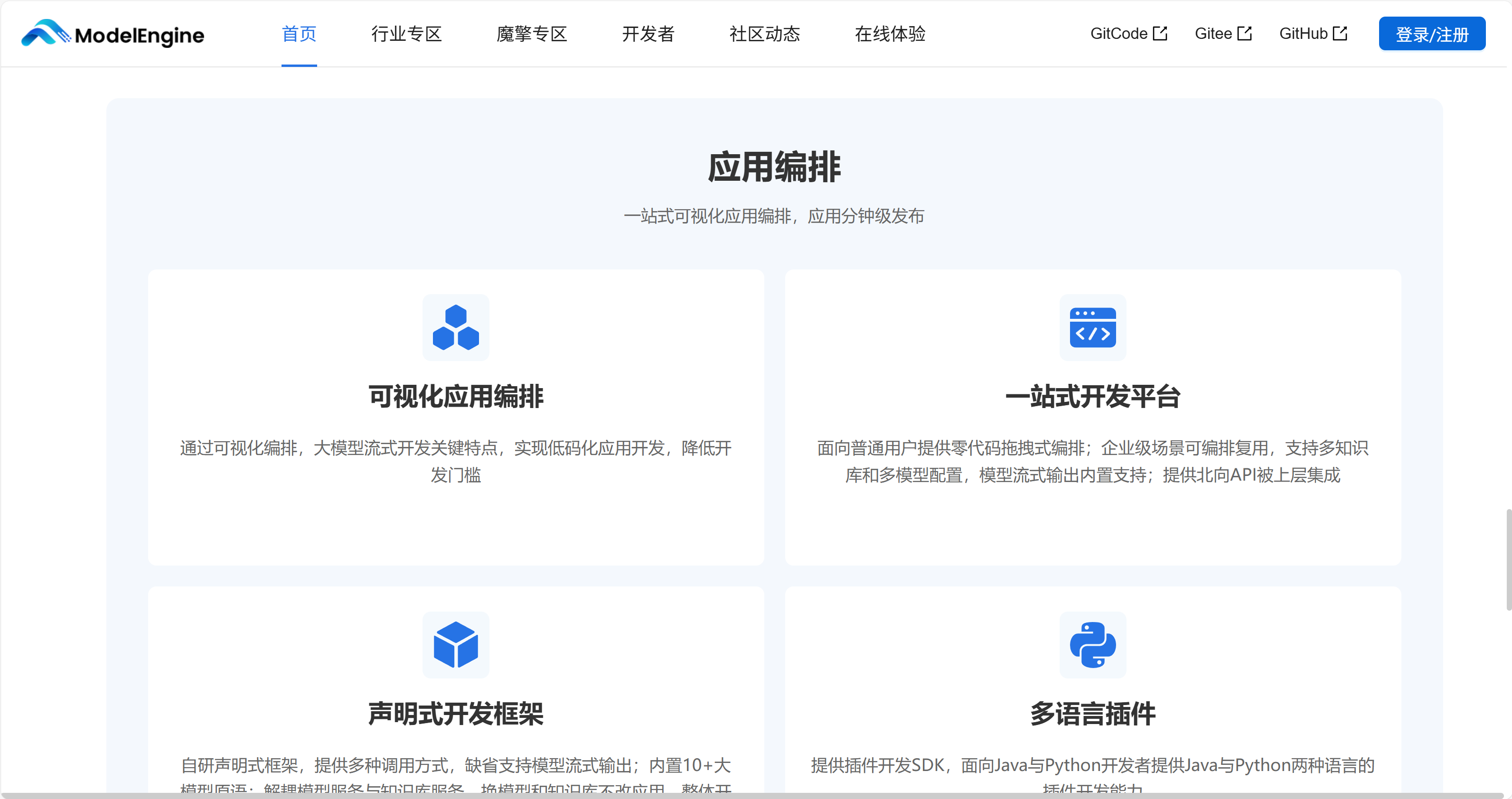
编排引擎架构设计
ModelEngine的可视化编排引擎采用基于DAG(有向无环图)的执行模型,支持复杂的业务流程建模:
class WorkflowEngine:
    def __init__(self):
        self.dag_parser = DAGParser()
        self.node_executor = NodeExecutor()
        self.state_manager = WorkflowStateManager()

    async def execute_workflow(self, workflow_definition, input_data):
        """执行工作流"""
        # 解析DAG
        dag = self.dag_parser.parse(workflow_definition)

        # 初始化执行状态
        execution_id = await self.state_manager.initialize_execution(
            dag, input_data
        )

        try:
            # 拓扑排序确定执行顺序
            execution_order = self.dag_parser.topological_sort(dag)

            # 执行节点
            for node_id in execution_order:
                await self._execute_node(
                    execution_id, node_id, dag.nodes[node_id]
                )

            # 获取最终结果
            result = await self.state_manager.get_final_result(execution_id)
            return result

        except Exception as e:
            await self.state_manager.mark_failed(execution_id, str(e))
            raise
智能节点类型系统
ModelEngine的节点系统支持类型推断和自动连接,大幅提升开发效率:
节点类型定义
# 节点类型系统配置
node_type_system = {
    "data_processing": {
        "input_ports": ["raw_data"],
        "output_ports": ["processed_data"],
        "validation_rules": {
            "data_schema": "enforced",
            "quality_metrics": ["completeness", "accuracy"]
        }
    },
    "ai_inference": {
        "input_ports": ["input_text", "model_parameters"],
        "output_ports": ["prediction", "confidence_score"],
        "resource_requirements": {
            "gpu_memory": "variable",
            "execution_timeout": 30000
        }
    },
    "business_rule": {
        "input_ports": ["business_data", "rule_definition"],
        "output_ports": ["decision", "reasoning"],
        "execution_mode": ["synchronous", "asynchronous"]
    }
}
多智能体协作框架:分布式智能的新范式
智能体通信协议
ModelEngine的多智能体协作采用基于Actor模型的分布式架构:
class MultiAgentCoordinator:
    def __init__(self, cluster_config):
        self.agent_registry = AgentRegistry()
        self.message_router = MessageRouter()
        self.consensus_engine = ConsensusEngine()

    async def coordinate_agents(self, task_description, available_agents):
        """协调多智能体完成任务"""
        # 任务分解
        subtasks = await self._decompose_task(task_description)

        # 智能体分配
        assignments = await self._assign_subtasks(subtasks, available_agents)

        # 并行执行
        execution_tasks = []
        for agent_id, subtask in assignments.items():
            task = asyncio.create_task(
                self._execute_subtask(agent_id, subtask)
            )
            execution_tasks.append(task)

        # 等待结果
        results = await asyncio.gather(*execution_tasks)

        # 结果整合
        final_result = await self._integrate_results(results)

        return final_result

    async def _execute_subtask(self, agent_id, subtask):
        """执行子任务"""
        agent = self.agent_registry.get_agent(agent_id)

        # 发送任务
        response = await agent.send_message({
            'type': 'task_request',
            'task': subtask,
            'context': self.shared_context
        })

        # 处理响应
        if response['status'] == 'success':
            return response['result']
        else:
            raise AgentExecutionError(f"智能体执行失败: {response['error']}")
智能体协作模式
ModelEngine支持多种协作模式,适应不同的业务场景:
主从模式
master_slave_config = {
    "master_agent": {
        "role": "coordinator",
        "capabilities": ["task_decomposition", "result_aggregation"],
        "decision_authority": "final"
    },
    "slave_agents": {
        "role": "executor",
        "specializations": ["data_analysis", "content_generation", "validation"],
        "communication_protocol": "request_response"
    }
}
对等模式
peer_to_peer_config = {
    "communication": {
        "pattern": "broadcast",
        "consensus_mechanism": "majority_vote",
        "conflict_resolution": "auto_negotiation"
    },
    "knowledge_sharing": {
        "enabled": True,
        "sync_strategy": "incremental",
        "privacy_preserving": True
    }
}
多源工具集成:企业生态的连接器
统一集成框架
ModelEngine的工具集成框架采用适配器模式,支持快速接入各种外部系统:
class UnifiedIntegrationFramework:
    def __init__(self):
        self.adapters = {}
        self.connection_pool = ConnectionPool()
        self.security_gateway = SecurityGateway()

    async def register_adapter(self, system_type, adapter_config):
        """注册系统适配器"""
        adapter_class = self._get_adapter_class(system_type)
        adapter_instance = adapter_class(adapter_config)

        # 连接测试
        if await adapter_instance.test_connection():
            self.adapters[system_type] = adapter_instance
            return True
        else:
            raise IntegrationError(f"系统连接测试失败: {system_type}")

    async def execute_operation(self, system_type, operation, data):
        """执行跨系统操作"""
        adapter = self.adapters.get(system_type)
        if not adapter:
            raise AdapterNotFoundError(f"未找到适配器: {system_type}")

        # 安全性检查
        await self.security_gateway.validate_operation(system_type, operation)

        # 执行操作
        async with self.connection_pool.get_connection(system_type) as conn:
            result = await adapter.execute(conn, operation, data)

            # 审计日志
            await self._log_operation(system_type, operation, data, result)

            return result
企业系统集成示例
CRM系统集成
class CRMIntegrationAdapter:
    async def sync_customer_data(self, customer_filters):
        """同步客户数据"""
        # 增量同步策略
        last_sync = await self._get_last_sync_timestamp()

        customers = await self.crm_api.get_customers(
            filters=customer_filters,
            modified_since=last_sync
        )

        # 数据转换
        normalized_data = await self._normalize_customer_data(customers)

        # 更新本地存储
        await self._update_local_database(normalized_data)

        return {
            "synced_records": len(customers),
            "sync_timestamp": datetime.now().isoformat()
        }
平台对比分析:技术视角的深度评测
架构设计对比
与Dify的架构差异
- 扩展性:ModelEngine的插件系统更加灵活,支持更低级别的自定义
- 性能表现:在复杂工作流执行方面,ModelEngine的优化更好
- 企业特性:ModelEngine在安全性和合规性方面考虑更全面
与Coze的技术对比
- 智能体协作:ModelEngine的多智能体框架更加成熟
- 集成能力:支持更多企业级系统的深度集成
- 开发体验:在保持功能强大的同时提供了更好的调试工具
与Versatile的工程化对比
- 部署灵活性:ModelEngine支持更多样的部署模式
- 监控体系:提供了更完善的运维监控能力
- 成本控制:在资源利用和成本优化方面更加精细
性能基准测试
在实际的性能测试中,ModelEngine在以下场景表现出色:
高并发处理
performance_metrics = {
    "concurrent_users": 1000,
    "average_response_time": "245ms",
    "throughput": "1250 requests/second",
    "error_rate": "0.05%",
    "resource_utilization": {
        "cpu": "45%",
        "memory": "60%",
        "network": "35%"
    }
}
大规模知识库检索
retrieval_performance = {
    "document_count": 100000,
    "index_size": "15GB",
    "query_latency": {
        "average": "120ms",
        "p95": "280ms",
        "p99": "450ms"
    },
    "recall_rate": "98.7%"
}
技术洞察与最佳实践
系统设计建议
插件开发规范
- 接口设计:遵循统一的插件接口标准,确保兼容性
- 错误处理:实现完善的错误处理和恢复机制
- 性能优化:合理使用缓存和异步操作提升性能
架构优化策略
architecture_best_practices = {
    "scalability": {
        "horizontal_scaling": "stateless_design",
        "vertical_scaling": "resource_optimization",
        "caching_strategy": "multi_layer"
    },
    "reliability": {
        "fault_tolerance": "circuit_breaker",
        "disaster_recovery": "multi_region",
        "data_consistency": "eventual_consistency"
    },
    "maintainability": {
        "modular_design": "microservices",
        "documentation": "openapi_spec",
        "testing_strategy": "comprehensive_coverage"
    }
}
安全与合规考量
企业安全架构
security_framework = {
    "data_protection": {
        "encryption": {
            "at_rest": "AES-256",
            "in_transit": "TLS_1.3"
        },
        "data_masking": {
            "sensitive_fields": ["PII", "financial_data"],
            "masking_techniques": ["tokenization", "format_preserving"]
        }
    },
    "access_control": {
        "authentication": "multi_factor",
        "authorization": "attribute_based",
        "audit_trail": "immutable_logging"
    },
    "compliance": {
        "regulations": ["GDPR", "CCPA", "HIPAA"],
        "data_sovereignty": "region_specific",
        "privacy_by_design": "enforced"
    }
}
总结与未来展望
通过对ModelEngine系统架构的深度解析,我们可以看到其在插件扩展、可视化编排、多智能体协作和多源工具集成等方面的技术优势。这些特性不仅解决了当前AI应用开发中的痛点,更为未来的智能化应用奠定了坚实基础。
ModelEngine的核心价值在于:
- 技术先进性:采用现代化的架构理念和技术栈
- 企业就绪:完善的安全、合规和运维支持
- 生态开放性:强大的扩展能力和集成支持
展望未来,随着AI技术的不断发展,我们期待ModelEngine在以下方向持续演进:
- 自适应学习:实现系统的自我优化和智能调整
- 边缘计算:支持分布式边缘节点的协同计算
- 跨链互操作:实现不同区块链和分布式系统的无缝集成
对于技术决策者和架构师而言,ModelEngine不仅是一个AI开发平台,更是一个构建未来智能业务的基础设施。其在系统设计上的深度思考和技术实现上的精益求精,使其在竞争激烈的AI平台市场中脱颖而出,成为企业智能化转型的理想技术伙伴。

AtomGit 是由开放原子开源基金会联合 CSDN 等生态伙伴共同推出的新一代开源与人工智能协作平台。平台坚持“开放、中立、公益”的理念,把代码托管、模型共享、数据集托管、智能体开发体验和算力服务整合在一起,为开发者提供从开发、训练到部署的一站式体验。
更多推荐



 21
21 0
0- 0


 已为社区贡献7条内容

所有评论(0)